

Ive been a personal trainer going on 2 decades, and I still get the same questions from people around fat loss myths and misconception.
I used to be frustrated, but I realized over time that its simply human nature to believe in dumb things. Our individual knowledge base is a grain of sand compared to our ignorance. We dont know what we dont know, and we dont know about most things. Its natural to rely on teachers, experts, specialists, experienced people to inform us.
Bad ideas are as dangerous as bad food and chemicals to overall health and well being.
In no particular order, these are the top 6 falsehoods around fat loss
1. The “Spot Reduction” Myth
The Myth: You can burn fat from a specific area of your body by exercising that body part (e.g., the infamous doing hundreds of crunches to burn belly fat).
The Reality: Fat loss is systemic, not local. Fat loss also begins internally, not externally. When you are in a caloric deficit, your body will mobilize stored triglycerides from fat cells all over your body. For areas of your body with less fat, they will appear leaner sooner. For areas of your body with more stored fat, it will take much longer to lean out.
The reality of fat loss is the place you store the most of it is the last place you’ll lose it. This is why “stubborn belly fat” exists. Everyone stores fat in their stomach, and its where fat deposits are thickest.
You cannot dictate exactly where your body pulls fat from; it is largely determined by genetics. Even with optimizing hormones (like insulin sensitivity, thyroid, testosterone, leptin, estrogen) there is still no way to target any one spot.
2. The “Carbohydrate are BAD” Myth
The Myth: Carbohydrates are inherently fattening because they spike insulin, and carbohydrates are SUGAR, and sugar is BAD and spiking insulin is BAD. Therefore, you must cut carbs to zero to lose fat.
The Reality: This is simply terrible understanding of human physiology combined with fear mongering and using jargon to sound authoritative.
The truth is that insulin release is SUPPOSED to happen whenever you eat food, and if your body released ZERO insulin (like in Type 1 diabetics) you would waste away and die because you are lacking a master hormone that enables your cells to absorb nutrients. Insulin also increases when protein is consumed. Its a normal function of metabolism. There is nothing innately bad about insulin increasing.
What is bad is chronically elevated insulin combined with inactivity, excess food consumption, unused muscle, and then you eventually become overweight to obese. THAT is bad.
Carbohydrates can be problematic if they lead to chronic overeating, which then leads to net fat gain. Carbohydrate foods, especially processed ones that are also high in fat, they are hyperpalatable but low in satiety. Think of something like potato chips. You can eat a lot of them, its a lot of caloric density, but you also dont get full. Hence why its easy to overeat.
Relative to fat loss, your net fat loss is dictated by total energy balance over time (thermodynamics), not by insulin spikes. While its true that insulin temporarily inhibits lipolysis, insulin also GOES back down.
You can make it go down faster by taking a walk after eating. You can also lift weights and make your cells more responsive to insulin.
Insulin is not a fat gain bogeyman hormone.
You can lose fat on a moderate to high-carb diet provided you are in a calorie deficit. Ive done it with clients many times over. Because overall intake matters most.
but how come people drop carbs and lose lots of weight really fast?!
Because when you eliminate all carbs (an entire food group), you reduce calories. You will also burn through liver and muscle glycogen, which leads to reduced bodywater. This can produce dramatic weight loss in 1-2 weeks. Its not permanent and it doesn’t disprove thermodynamics.
You can also gain fat on a low-carb (paleo) diet if you are in a calorie surplus. Lots of people struggle to lose bodyfat because they insist calories dont matter while eating high fat foods. Calories are still real and high fat diets dont magically transform you, no diet does.
3. The “Fat Burning Zone” Myth
The Myth: The zone on the treadmill that says “fat burning” is the one you should do to burn fat. This fat burning zone is the best one to train in.
The Reality: I wish treadmill manufacturers would remove this, because its been misleading people for decades. This is a misunderstanding of physiology. While low-intensity exercise does use a higher ratio of fat for fuel, the total amount of calories burned is significantly lower than higher-intensity work. And you are not burning stored bodyfat either, rather you are using triglycerides that are already in the blood. This is beneficial, but its certainly not burning off belly fat or any other ridiculous notion.
Specifically for cardio, Higher-intensity training burns more total calories, results in more metabolic adaptation, and if you do want metabolism boosting effects, its HIIT training that will do that for you, not low intensity aerobics.
A Primer on High Intensity Interval Training

I am in the midst of writing a very in-depth article on Cardiovascular Training, and the article got so long that including another section on HIIT would have made it a 30 minute reading experience.
4. The “Starvation Mode” Myth
The Myth: If you eat too few calories, your body will “hold onto fat” for survival and stop you from losing weight entirely.
The Reality: So this is a nuanced myth. Its true that metabolic slowdown happens while dieting, and metabolic rate declines. This is called adaptive thermogenesis. However, the effect is vastly exaggerated. Provided calories are LOW enough, fat loss WILL happen.
The issue here is that very few people ever accurately track their metabolic rate, track macros and calories, and objectively known how much they are burning and eating each day.
You must also account for the fact that people routinely underestimate the calories in food by 50%.
Add in a crash dieting approach, and you get this insistence of being in “starvation mode”. The reality is the person dropped food intake dramatically, lost some weight, and has no idea how to diet sustainably, so they latch onto the “starvation mode” fallacy.
This is most common with WOMEN as well. The natural menstrual cycle can obscure fat loss, and hormonal imbalance in women that is unaddressed does make weight loss more challenging. Sustainable fat loss account for both numerical intake AND hormone health.
5. Intermittent Fasting
The Myth: IF will make you effortlessly shredded, increase growth hormone, reverse age you by autophagy and is even ANABOLIC for muscle growth.
The Reality: None of the above is true. IF is chronological calorie restriction. That is it. By skipping breakfast, you eat less. It will not reliably lead to fat loss unless you account for calorie and macro intake with numbers. It does not cause supraphysiological release of growth hormone. Its not making you smarter by producing more Brain Derived Neurotrophic growth factor. Its not reverse aging you because of “autophagy”. Autophagy only happens around 24-48+ hours, which is not something you can do weekly. It is does make you build more muscle.
It works the way all diets work, you found a way to eat less.
6. The “Lose weight, Train later” Myth
The Myth: You dont want to lift weights right now. You’ll lose some weight first, and then start going to the gym.
The Reality: This is the stupidest thing you could do. Muscle is the holy grail for health, and is the most Pro-fat loss, Pro-metabolic practice you can do regularly.
When you diet without lifting, you are signaling to your body that muscle tissue is unnecessary overhead. You are going to lose lean mass along with bodyfat. You are going to make yourself skinny fat (sarcopenic obesity) and you will plateau and still be overweight, but with a lower metabolic rate and hormonal health.
If you want to lose fat, you start lifting on Day 1, non negotiable.
Waiting to lift weights until you lose weight is like waiting to get a job until you have money. You need the job (muscle) to generate the money (calorie burn and better metabolic health).
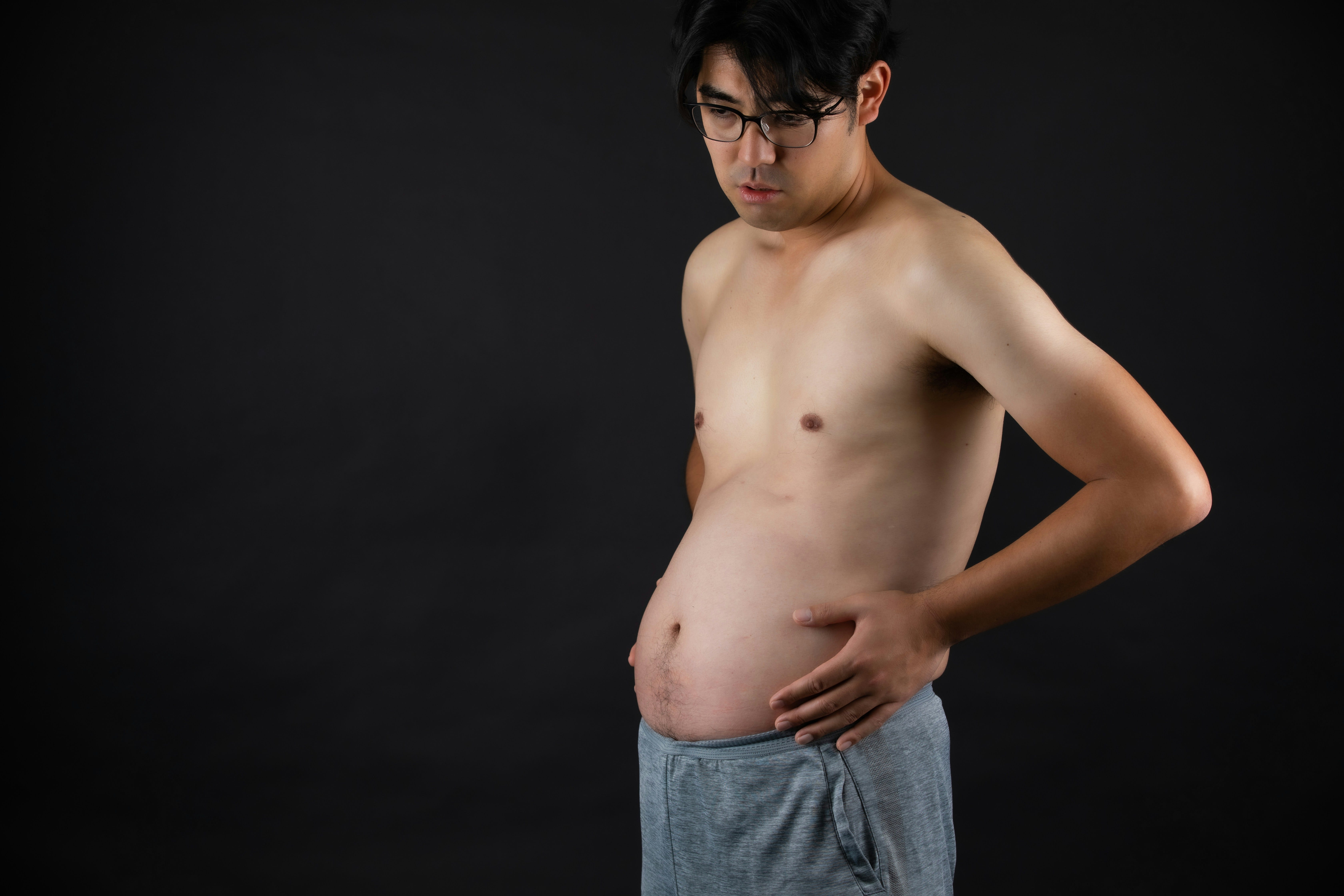
If this is your body, you are skinny fat. You still have all the health risks of a bigger person. You need to fix this the right way
Want to lose 15lbs in the next 2 months and become Stronger Leaner and More Confident Going into 2026?
Apply to become a Coaching Client
Want to know your genetic baseline for metabolic health and make decisions based on your unique DNA?
Order your Fitness Genes test (use code AJAC20)
Are you self driven and want a program to follow to build muscle and strength?
Get access to my full program library from 2015-2025
Thank you for this piece, And thank you for all the effort you put into sharing your knowledge to help us become healthier and stronger.
Intermittent fasting is super powerful because it gives you the CONFIDENCE to walk past bad options (like when you're at the airport) because you know you can continue to operate for 24, 48 hours if need be without a single kcal. It also teaches the body to burn fat, there being no choice during the fast.