

From 2014-2016, I worked as an online coach for John Meadows, aka the Mountain Dog. (RIP)
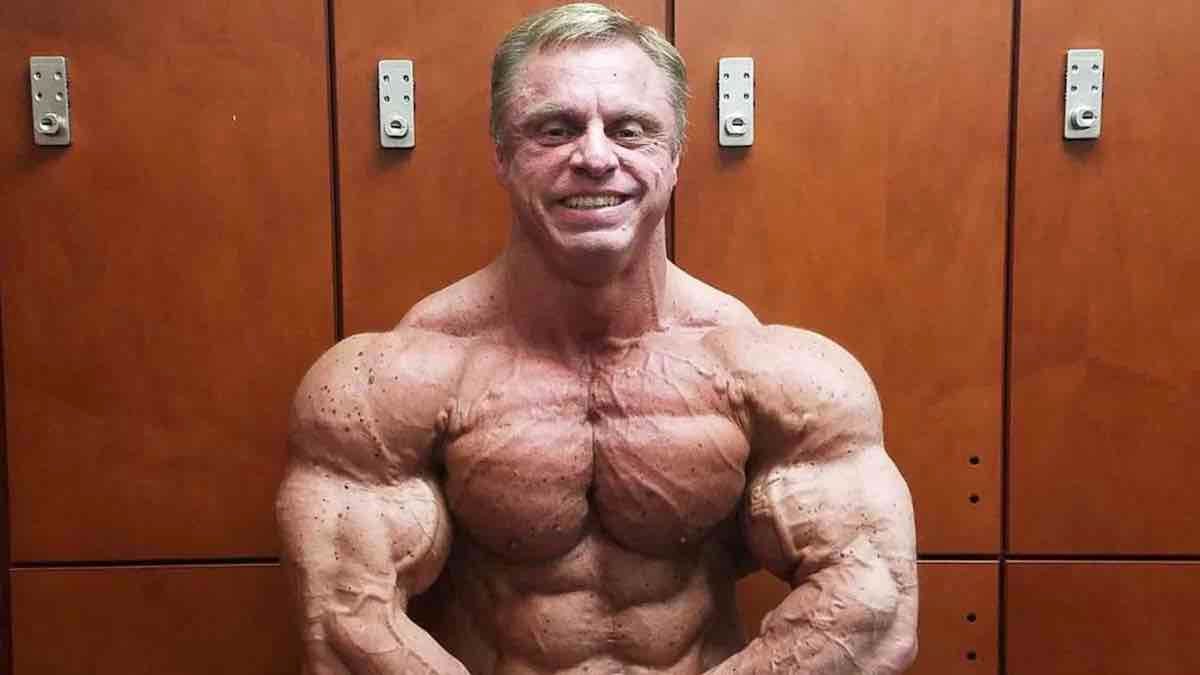
This was a formative time in my career, and John was one of my major intellectual mentors who became a real life mentor. Id been reading his articles for years already, and working for him was the greatest learning experience one could ask for.
John was ahead of his time, pioneering a full spectrum approach to health through nutrition that would be considered peaty, holistic, and bioenergetic today. He was “MAHA” before MAHA ever existed, and was surprisingly crunchy in how much he cared about food quality, sourcing, sustainability, and the nuances of micronutrients.
While he is probably better known for his training methods (which I will share in the future), it was his thinking around food that was most impressive to me.
Unlike many in bodybuilding where health is sacrificed for success, John took a different approach, and argued that metabolic health was critical to being a successful bodybuilder, and that ignoring this was a setup for disaster, both in the short and long term.
Part of this was born out of his own health challenges; John had a near death experience in 2005 that resulted in his entire large intestine being removed.
While I know there will be critics that point out he used PEDs and this is disqualifying, those people can GTFO.
Johns knowledge and body of work applied to everyone, regardless of PED usage, and it would be impossible to share MY nutrition philosophy without referencing his. John’s life may have ended too soon, but his work will live on forever.
Ive watched all of Johns videos, read all of his written programs and articles, and have many many pages of notes.
Over the course of this week, I am going to share all of this with you. Ive run everything through my personal AI, and my mission is to distill his philosophies down into the most actionable principles and strategies that you can apply to your training, nutrition, and life.
WHAT THIS ARTICLE COVERS
Food Quality Over Everything-Real, whole foods as the foundation
Individual Customization-No cookie-cutter approaches
Metabolic Health Priority-Long-term health over rapid results
Psychological Sustainability-Mental/emotional aspects of eating
FITNES GENES-A Health Test I Strongly Recommend
The FitnessGenes DNA Analysis Test reveals how your body responds to training, recovery, nutrition, stress and flags genetic tendencies tied to injury, inflammation, metabolism, and long-term health, so you can course-correct years before problems show up. It’s not just about better workouts; it’s about training, eating, and living in a way that compounds performance and longevity.
Order here with AJAC20
The Mountain Dog Philosophy for Nutrition
Johns approach to nutrition followed the same systematic thinking and practical wisdom that grounded his training methodology.
John was not dogmatic, and quite moderate in how he approached food. He didnt take a side in diet wars, and he didnt use hyperbole.
While he never used the term, his philosophy was Salutogenic; eat in a way that promotes HEALTH.
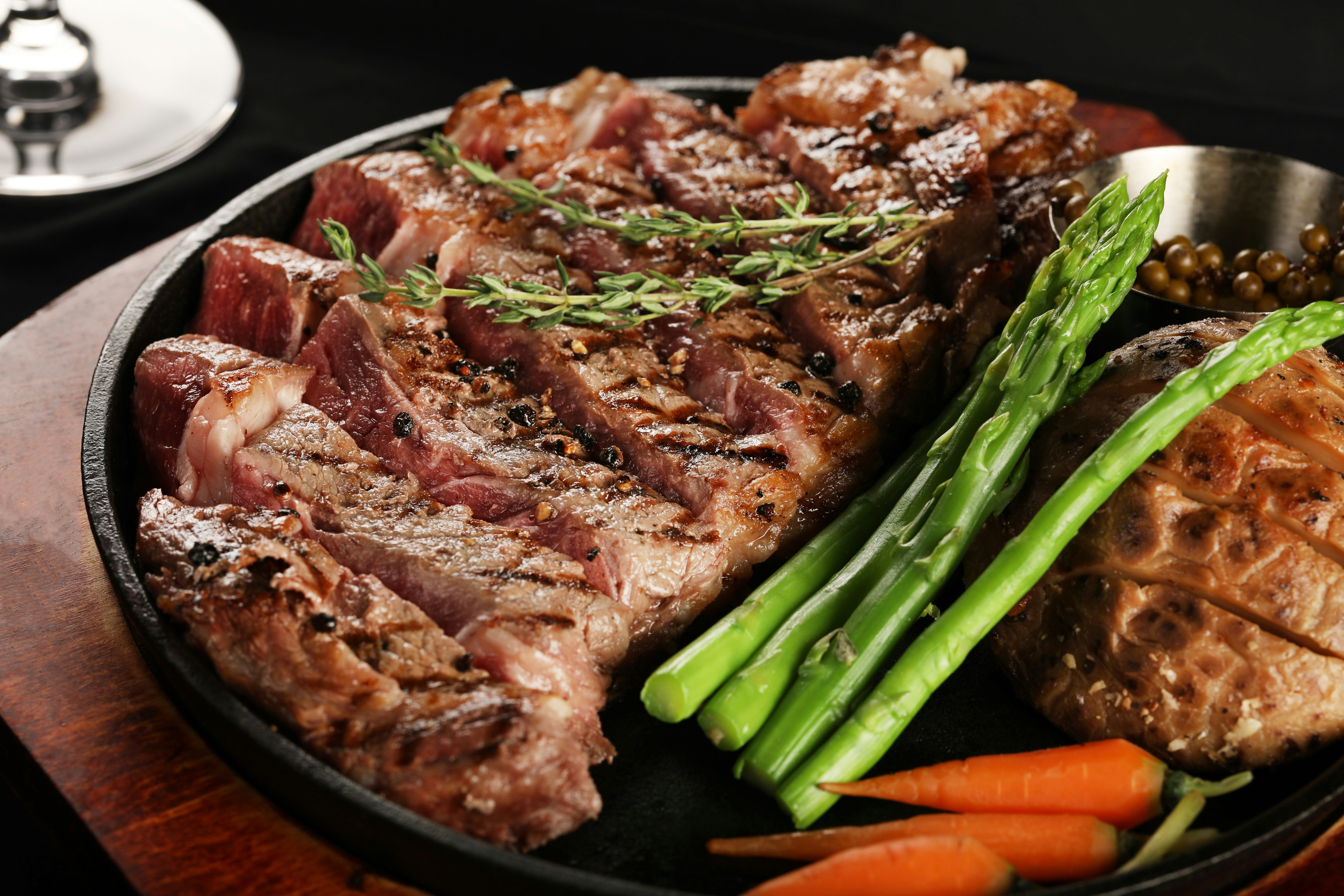
That meant real food, sustainability, and individual optimization over extreme measures and cookie-cutter approaches.
This philosophy emerged from years of personal experimentation, working with hundreds of clients, and understanding that nutrition was not just about achieving a physique goal on a single day, but supporting your life every day.
“Most people approach nutrition like it’s some kind of punishment,” John often observed.
“They think they have to suffer, eat foods they hate, and follow some extreme plan that makes them miserable. But the truth is, great nutrition should make you feel better, perform better, and look better, and you should be able to maintain it for years, not just weeks.”
This understanding led John to develop what I consider the most balanced and effective approach to nutrition Ive ever encountered.
Its a system that supports building an impressive physique while maintaining sanity, health, and enjoyment of food.
Core Principles of Mountain Dog Nutrition

Principle 1: Food Quality Over Everything
John believed that the foundation of any successful nutrition plan was food quality. Before worrying about macros, timing, or supplements, focus on eating real, whole foods.
The Food Quality Hierarchy:
Protein from whole food sources-chicken, turkey, fish, lean beef, eggs
Complex carbohydrates-rice, oats, potatoes, quinoa, fruits
Healthy fats-nuts, oils, avocado, fatty fish
Abundant vegetables-for micronutrients, fiber, and health
Minimal processed foods-only when they served a specific purpose
John favored buying organic and local as much as possible.
Theres nothing revolutionary about this obviously. You can always get pedantic about arguing over the food choice. But the principles are rock solid.
“You can’t out-supplement a bad diet,”
“If your nutrition foundation is built on processed junk, no amount of expensive supplements is going to fix that. Start with real food, then optimize from there.”
Principle 2: Individual Customization
Unlike many approaches that push a one-diet-for-all mentality, John’s philosophy was built around individual assessment and customization.
Individualization:
Body type and metabolism-naturally lean vs. easily gaining fat
Training goals-muscle gain, fat loss, performance
Lifestyle factors-work schedule, family obligations, stress levels
Food preferences-cultural background, personal tastes
Digestive health-intolerances, gut health, nutrient absorption
Medical history-previous dieting, metabolic health, medications
The practice of individualization has been lost today in the nutrition industry. Its ironic given that holistic thinking has increased, but genetic differences are ignored.
Bodybuilders were once considered dumb for believing in body phenotypes (meso, ecto, endo) and making diet decisions on this
But genetic testing shows these kinds of categories are REAL. You SHOULD eat in a way that suits your individual genetics and metabolism
“There’s no such thing as a perfect diet,” John explained. “There’s only the perfect diet for you, at this point in your life, with your goals and circumstances. My job isn’t to give you my diet, it’s to help you find yours.”
Principle 3: Metabolic Health Priority
Long before it became trendy, John prioritized metabolic health over rapid results. he was the first bodybuilder I knew who regularly got labwork done and monitored his internal health. He also had a qualitative list of health markers that he recommended every client pay attention
Metabolic Health Markers:
Energy levels-consistent energy throughout the day
Sleep quality-restful sleep and easy awakening
Mood stability-avoiding extreme highs and lows
Training performance-maintaining strength and intensity
Digestive health-regular, comfortable digestion
Hormone optimization -supporting natural hormone production
Principle 4: Psychological Sustainability
John recognized that the mental and emotional aspects of nutrition were just as important as the physical aspects. He built flexibility and enjoyment into every plan.
Psychological Strategies:
Flexible meal planning-variety within structure
Strategic refeeds-planned higher calorie days
Social accommodation-working around life events
Craving management-addressing psychological needs
Progress celebration-acknowledging non-scale victories
Stress mitigation-nutrition as stress reduction, not stress creation
“If your diet makes you miserable, you’re not going to stick to it,” John observed.
“And if you can’t stick to it, it doesn’t matter how ‘perfect’ it is on paper.”
The Mountain Dog Approach to Macronutrients
Protein: The Foundation
John viewed protein as the cornerstone of any physique-focused nutrition plan, his approach was results driven.
John’s Protein Strategy:
Target: 1-1.5 grams per pound of body weight for most goals
Sources: Variety of complete proteins throughout the day
Timing: Protein at every meal, with emphasis around training
Quality: Whole food sources prioritized over supplements
Flexibility: Adjustments based on training demands and goals
Favorite Protein Sources:
Chicken breast-lean, versatile, affordable
93/7 ground turkey-a different flavor profile break from chicken
90/10 Ground beef-higher fat but undeniably tasty
Egg whites with whole eggs-complete amino profile
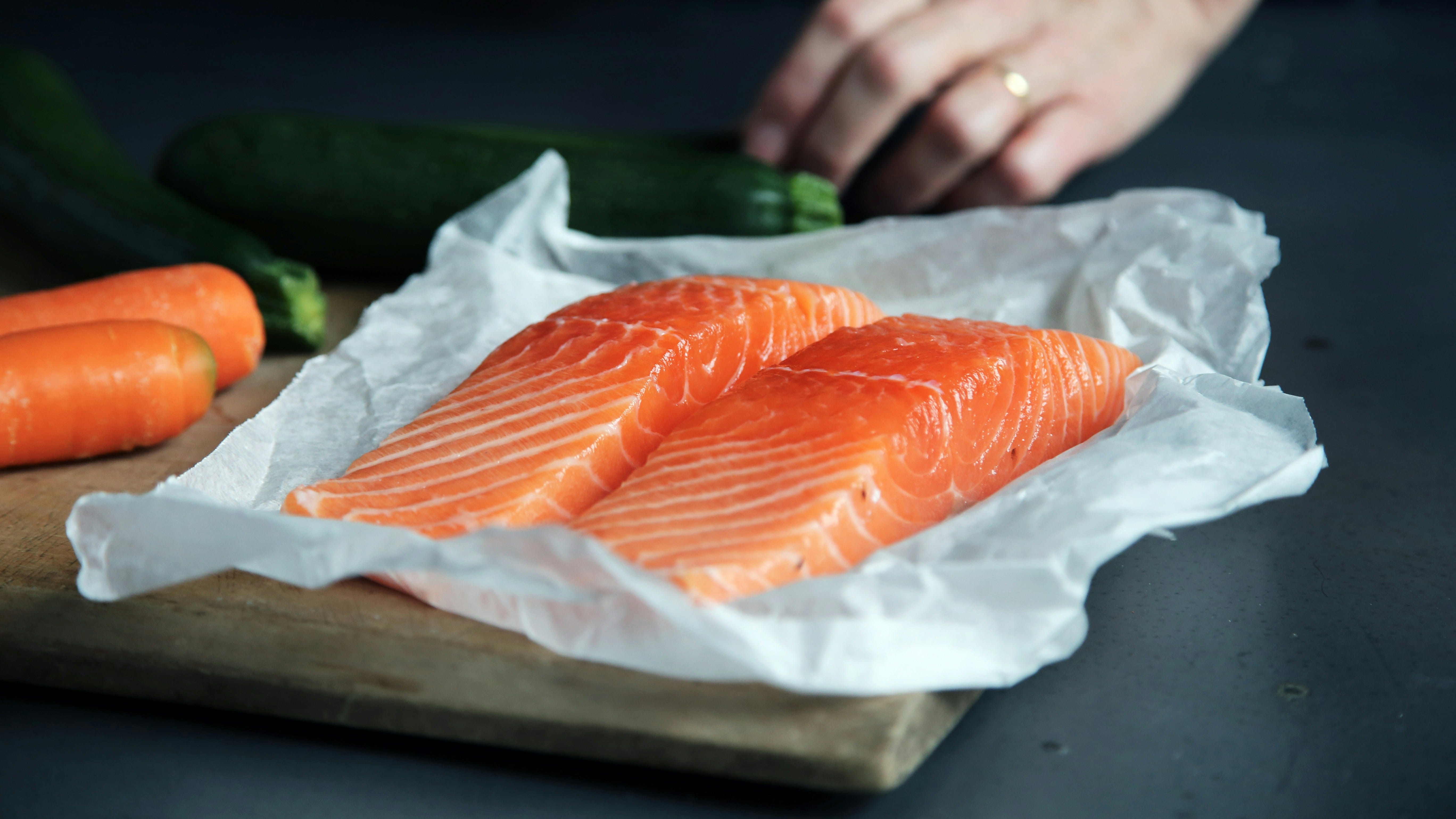
Fish-naturally leaner than beef, even fattier types, easy to digest
Whey protein-convenience and leucine content
Greek yogurt-probiotics and casein
“Protein is the only macronutrient that’s truly essential for your physique goals,” John explained.
“You can manipulate carbs and fats based on preference and goals, but protein is non-negotiable.”
Carbohydrates: Performance Fuel
John knew that carbohydrates are essential to great workouts. Even during a diet, he never would pull out preworkout carbs. His approach was refreshingly balanced
John’s Carbohydrate Philosophy:
Performance-based: Higher carbs for intense training phases
Timing-conscious: Carbs around training for performance and recovery
Source-specific: Whole food sources with good micronutrient profiles
Flexible amounts: Adjusted based on goals, body type, and response
Quality-focused: Nutrient-dense options prioritized
The Carbohydrate Hierarchy:
Oats-sustained energy, great for breakfast
Sweet potatoes-micronutrient dense, versatile
Jasmine rice-John’s personal favorite for taste and digestion
Fruits-micronutrients, fiber, natural sugars
Quinoa-complete protein, good fiber content
“Carbs aren’t the enemy, they’re a tool. If you’re training hard and want to perform well, carbohydrates are your friend. The key is choosing the right sources and amounts for your goals.”
Fats: Hormone Essentials
John knew that dietary fats as essential for hormone production, satiety, and overall health.
John’s Fat Strategy:
Minimum threshold: Never below 0.3-0.4g per pound of body weight
Source variety: Mix of saturated, monounsaturated, and polyunsaturated
Timing consideration: Often kept lower around training
Quality emphasis: Whole food sources over processed options
Individual adjustment: Based on satiety needs and calorie targets
Preferred Fat Sources:
Nuts and nut butters-convenience and taste
Olive oil-cooking and salads
Avocado-nutrients and fiber
Fatty fish-omega-3 fatty acids
Egg yolks-complete nutrition
Coconut oil-stable for cooking
Olive oil-for low heat cooking
Meal Timing and Frequency
John did not fast. Like every successful bodybuilder, he ate multiple meals a day. The multiple meals daily strategy is argued about constantly, but for building a great physique, it has overwhelming evidence. If you want to be strong and perform at the highest level, you need regular nutrient intake.
The Meadows Meal Framework
John’s General Structure:
3-5 meals per day - based on schedule and preference
Protein at every meal - consistent amino acid availability
Carbs around training - performance and recovery optimization
Fats throughout the day - hormone support and satiety
Vegetables at multiple meals - micronutrients and fiber
Sample John Meadows Meal Structure:
Breakfast: Protein + carbs + some fat
Pre-workout: Protein + carbs (if needed)
Post-workout: Protein + carbs
Lunch/Dinner: Protein + carbs + vegetables + fat
Evening: Protein + fat + vegetables (lower carb)
“The best meal timing is the one that fits your life and supports your training. I’m not going to tell someone to eat six meals a day if they can barely manage three. Work with your schedule, not against it.”
Pre and Post-Workout Nutrition
John paid particular attention to nutrition around training sessions, and this could be an article unto itself.
Pre workout, intraworkout, and post workout nutrition are game changers when you actually do them.
Pre-Workout Approach:
Timing: 1-3 hours before training, depending on meal size
Focus: Easily digestible carbs and moderate protein
Goals: Stable blood sugar and available energy
Individual: Adjusted based on tolerance and training time
Post-Workout Approach:
Timing: Within 60-90 minutes post-training
Focus: Protein for recovery, carbs for glycogen replenishment
Goals: Optimize recovery and adaptation
Practical: Could be a meal or shake, depending on circumstances
The Mountain Dog Approach to Different Goals
Muscle Building (Gaining) Phase
John’s approach to gaining was methodical and health-conscious.
Gaining Phase Strategy:
Caloric surplus: 300-500 calories above maintenance
Protein: 1.2-1.5g per pound of body weight
Carbohydrates: Higher intake to fuel training (2-3g per pound)
Fats: 0.4-0.6g per pound of body weight
Rate of gain: 0.5-1 pound per week maximum
Monitoring: Weekly weigh-ins, photos, performance tracking
John’s Gaining Philosophy: “The goal during a gaining phase isn’t to get as big as possible as fast as possible. It’s to gain quality muscle while minimizing fat gain and maintaining health. Slow and steady builds the physique you actually want.”
Fat Loss (Cutting) Phase
John’s cutting approach emphasized preserving muscle and maintaining metabolic health.
Cutting Phase Strategy:
Caloric deficit: 300-500 calories below maintenance
Protein: 1.2-1.6g per pound (higher to preserve muscle)
Carbohydrates: Adjusted based on training demands and progress
Fats: Minimum 0.3-0.4g per pound, adjusted as needed
Rate of loss: 1-2 pounds per week maximum
Refeed days: Strategic higher calorie days as needed
John’s Cutting Philosophy: “Cutting should make you lean, not miserable. If you’re losing strength, feeling terrible, and obsessing about food, you’re cutting too aggressively. Slow down, be patient, and do it right.”
Contest Preparation
For competitive bodybuilders, John’s approach was more precise but still health-conscious.
Contest Prep Principles:
Longer prep periods: 16-24 weeks for most competitors
Gradual adjustments: Small changes based on weekly progress
Muscle preservation: High protein and intelligent training
Metabolic monitoring: Adjusting based on response
Psychological support: Managing the mental challenges
Health priorities: Never compromising long-term health for short-term results
Hydration and Micronutrients
John emphasized that nutrition was about more than just macronutrients.
Hydration Strategy
John’s Water Approach:
Baseline: 1 gallon per day minimum for active individuals
Training days: Additional water around workouts
Quality: Filtered water when possible
Electrolytes: Salt and potassium attention during heavy training
Monitoring: Urine color and frequency as indicators
Micronutrient Focus
Micronutrient Strategy:
Food first: Micronutrients from whole foods prioritized
Variety: Different colored vegetables and fruits
Supplementation: Strategic, not comprehensive replacement
Testing: Periodic blood work to identify deficiencies
Individual needs: Adjusted based on training demands and health status
Supplementation Philosophy
John’s approach to supplements was conservative and evidence-based.
Tier 1: Foundation Supplements
John’s Core Recommendations:
High-quality multivitamin-insurance against deficiencies
Vitamin D3-especially for those with limited sun exposure
Omega-3 fatty acids-fish oil for inflammation and health
Magnesium-for sleep, recovery, and muscle function
Tier 2: Performance Supplements
Training-Specific Additions:
Whey protein powder - convenience and leucine content
Creatine monohydrate - proven performance and muscle benefits
Pre-workout - caffeine and citrulline for training enhancement
Intra and Post-workout carbs - dextrose or highly branched cyclic dextrin
Tier 3: Specialized Supplements
Goal-Specific Options:
Fat loss phases: L-carnitine, green tea extract
Gaining phases: Digestive enzymes, additional carbs
Stress management: Ashwagandha, rhodiola
Sleep optimization: Melatonin, glycine
“Supplements should supplement a good diet, not replace it. Get your nutrition foundation right first, then add supplements that serve a specific purpose.”
Practical Implementation Strategies

Meal Preparation and Planning
John was a strong advocate for meal preparation as a success strategy.
John’s Meal Prep Approach:
Batch cooking: Prepare proteins and carbs in bulk
Flexible combinations: Mix and match components
Vegetable variety: Different vegetables throughout the week
Convenience options: Healthy backup meals for busy times
Time efficiency: 2-3 hours of prep for the week
Restaurant and Social Eating
John understood that nutrition plans needed to accommodate real life.
Social Eating Strategies:
Menu research: Look up options ahead of time
Flexible choices: Make the best available choice
Portion awareness: Restaurant portions vs. home portions
Don’t stress: One meal won’t ruin your progress
Plan ahead: Adjust other meals if needed
Travel Nutrition
John traveled frequently and developed practical strategies.
Travel Approach:
Protein powder: Easy insurance for adequate protein
Airport options: Grilled chicken, salads, nuts
Hotel strategies: Mini fridge utilization, local grocery stores
Hydration focus: Extra attention during flights
Flexibility: Do your best, don’t stress the rest
Troubleshooting Common Issues
Plateaus and Stalls
John’s approach to breaking through plateaus was systematic.
Plateau-Breaking Strategies:
Calorie cycling - alternating higher and lower days
Carb cycling - varying carbohydrate intake
Refeed days - strategic higher calorie days
Diet breaks - planned periods at maintenance calories
Exercise changes - modifying training stimulus
Digestive Issues
John paid close attention to gut health and digestion.
Digestive Optimization:
Food elimination - identifying problematic foods
Digestive enzymes - supporting breakdown and absorption
Fiber management - gradual increases, adequate hydration
Stress management - addressing stress-related digestive issues
Professional help - working with healthcare providers when needed
Cravings and Adherence
John had practical strategies for managing cravings and maintaining adherence.
Adherence Strategies:
Flexible options - multiple food choices within parameters
Strategic treats - planned indulgences vs. uncontrolled binges
Stress management - addressing emotional eating triggers
Support systems - accountability and encouragement
Progress focus - celebrating non-scale victories
The Psychology of Mountain Dog Nutrition
Relationship with Food
John emphasized developing a healthy relationship with food that could be maintained long-term.
Healthy Food Relationship Principles:
Food as fuel - nutrition serves performance and health goals
No forbidden foods - foods are tools, not moral choices
Flexible perfectionism - 80% adherence beats 100% for two weeks
Enjoyment inclusion - nutrition plans should include foods you enjoy
Stress reduction - food choices shouldn’t create anxiety
Long-Term Perspective
John always kept the long-term picture in mind.
Long-Term Thinking:
Health first - physique goals shouldn’t compromise health
Sustainability - can you maintain this approach for years?
Lifestyle integration - nutrition that fits your life
Relationship preservation - don’t let diet ruin social connections
Flexibility maintenance - ability to adapt as life changes
Special Considerations
Health Challenges
John worked with many clients who had health challenges that affected their nutrition.
Health-Conscious Adaptations:
Insulin sensitivity - carb timing and type modifications
Digestive issues - food selection and preparation adjustments
Autoimmune conditions - anti-inflammatory food choices
Hormonal imbalances - nutrition to support hormone optimization
Medications - considering drug-nutrient interactions
Age-Related Considerations
John understood that nutrition needs changed with age.
Age-Specific Adjustments:
Protein needs - potentially higher requirements as we age
Micronutrient absorption - attention to B12, calcium, vitamin D
Hydration awareness - decreased thirst sensation
Digestive changes - adjusting for slower metabolism
Recovery emphasis - nutrition to support longer recovery times
The Mountain Dog Legacy in Nutrition
John’s approach to nutrition influenced countless individuals to develop sustainable, healthy relationships with food while achieving impressive physique results.
Key Innovations Still Used Today:
Health-first approach - metabolic health prioritized over rapid results
Individual customization - no cookie-cutter approaches
Psychological consideration - addressing mental/emotional aspects
Flexibility emphasis - sustainable approaches over perfect adherence
Real food focus - whole foods as the foundation
Philosophical Contributions:
Nutrition as lifestyle - long-term approach over quick fixes
Balance emphasis - physique goals with health and happiness
Education focus - teaching principles, not just giving meal plans
Practical application - real-world strategies for real people
Sustainable practices - approaches that can be maintained for years
Implementing Mountain Dog Nutrition Principles
For those ready to implement John’s nutrition philosophy:
Start with Food Quality: Build your foundation on whole, nutrient-dense foods
Customize to Your Life: Make your nutrition fit your schedule and preferences
Prioritize Health: Never sacrifice long-term health for short-term results
Be Patient: Sustainable changes take time to implement and see results
Stay Flexible: Adapt your approach as your life and goals change
Focus on Habits: Build consistent habits rather than following perfect plans
Educate Yourself: Understand the principles so you can make informed decisions
Seek Support: Work with qualified professionals when needed
As John himself summarized:
“Great nutrition isn’t about following the perfect diet—it’s about developing a sustainable approach to fueling your body that supports your goals, your health, and your life. The best nutrition plan is the one you can stick to for years, not weeks. Focus on building habits that serve you long-term, and the physique results will follow.”
This methodology represents John Meadows’ comprehensive approach to nutrition, emphasizing sustainable practices, individual customization, and long-term health over quick fixes. His systematic approach continues to guide serious individuals toward achieving their physique goals through intelligent, balanced nutrition practices that can be maintained for a lifetime.
A rare, grounded take that puts metabolic health and sustainability ahead of extremes. John Meadows’ nutrition philosophy still feels timeless because it treats food as a long-term support system, not a short-term punishment.