RICE Is Wrong.
There, I got it out of the way. I was talking with a friend over the weekend who had a low back strain and he said he was icing it and I told him to stop and he was surprised and I realized that people still believing you should be icing sprains/strains/injuries and how could I be so naive to think that “everyone knows RICE is wrong” simply because Ive posted about it in the past.
What am I talking about here?
Get a bottle of Neurovolt and take advantage of Soviet Super Soldier research for Stress resilience.
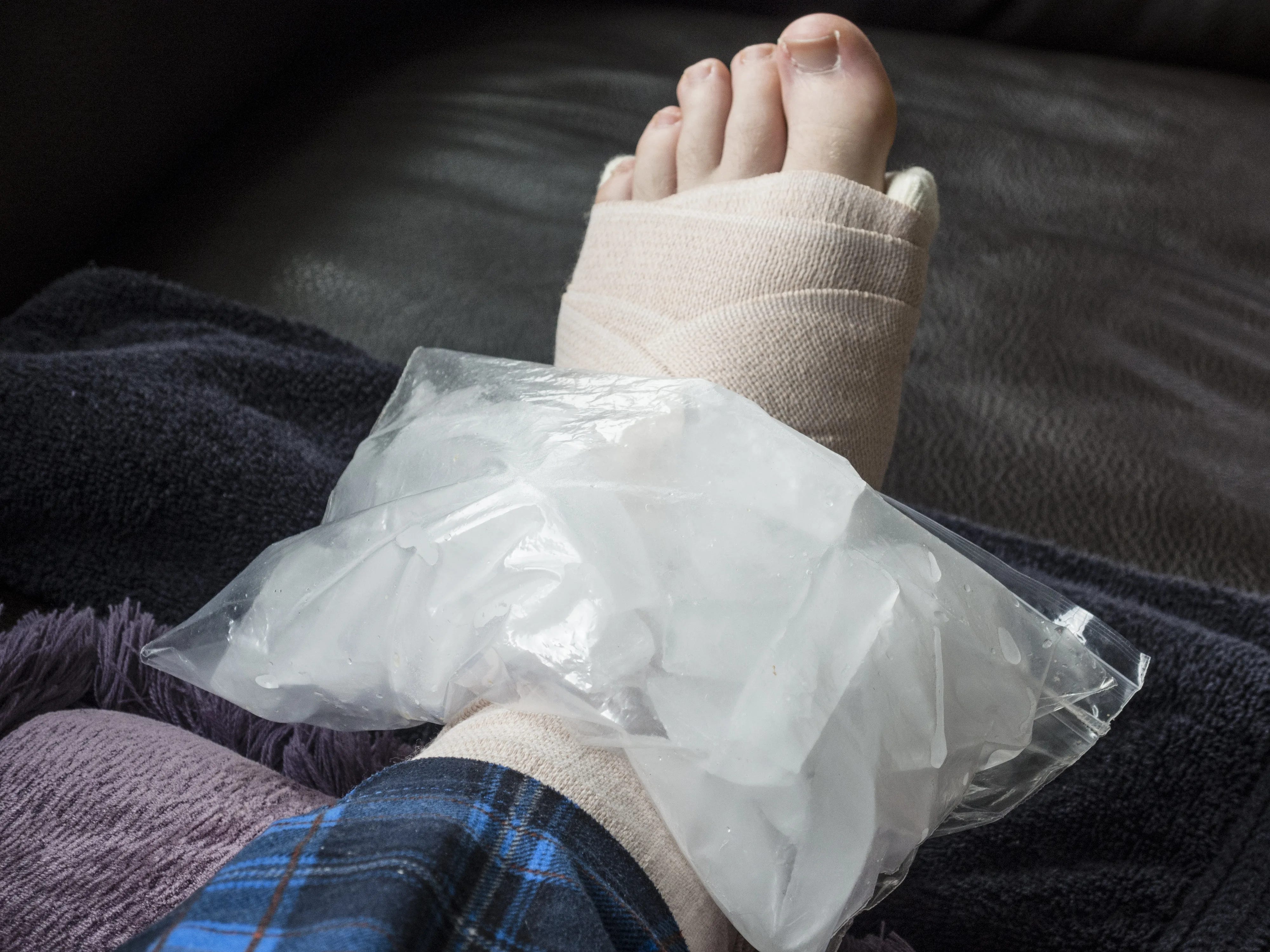
RICE is an acronym. Rest, Ice, Compression, Elevation.
This is what most people are told to do if they are injured.
RICE originated in 1978, based on the writings of Dr. Gabe Mirkin. He wrote the definitive sports medicine text of the era, titled, The Sportsmedicine Book.
The influence of that book on injury treatment is hard to overstate. Athletic trainers, doctors, coaches, physical therapists, all of them used its methods, and RICE became synonymous with treating any athletic injury. You need rest. You need to ice to reduce inflammation. You need to keep it wrapped tight. You need to elevate. This is still considered cutting edge advice for normies.
Correct, right?
Wrong.
Mirkin himself has reversed his position on every point except elevation, and even that comes with a caveat. He coined RICE in his 1978 book and formally retracted the I.C.E. in March 2014, writing that both ice and complete rest may delay healing instead of helping.
Decades of research and applied practice have shown the protocol to be not just ineffective but actively counterproductive.
Icing and time off leads to atrophy and lengthens recovery time.
Icing interferes with the inflammatory process that does the healing. The mechanism is simple once you understand what inflammation is for. Ice constricts the blood vessels around the injury and shuts off the flow that carries the healing cells of inflammation into the tissue, and those vessels stay closed for hours after the ice comes off.
Icing is simply not doing anything for the actual healing process.
A 2014 trial published in Knee Surgery, Sports Traumatology, Arthroscopy took 11 men, damaged their muscle through hard eccentric work, and iced it. The ice did not speed recovery. It delayed it, and produced a rebound in muscle hemoglobin compared to the men who did nothing.
What are you supposed to do then?
Enter the PEACE and LOVE Protocol
PEACE & LOVE is the real cutting edge preferred method over routine icing (RICE) for most acute soft‑tissue injuries. Icing itself has been relegated to being an immediate intervention done for pain management (by way of numbing), but its no longer prescriptive
Peace and Love is what Ive personally done and had people do over many years, and it WORKS, far better than RICE does.
What PEACE & LOVE actually means
PEACE is the protocol to follow in the first 1-3 days after the injury
Protection: Temporarily limit movement/loading 1–3 days to prevent further damage.
Elevation: Raise the injured area above heart level to help fluid drainage and swelling.
Avoid anti‑inflammatories (and usually ice): Allow normal inflammation, which is necessary for tissue repair.
Compression: Use bandage or wrap to support tissue and manage swelling.
Education: Understand the expected course, avoid over‑treatment, and stay engaged in active recovery. This is a big one. Many people fall into depressive states post injury and believe they are damaged for life, they question whether they will heal, they are scared to move again. The right MINDSET is the difference between full recovery versus a chronic pain outcome.
LOVE comes after the acute phase, from about day 4 onwards
Load: Gradually reintroduce weight‑bearing, unloaded, and loaded movement as pain allows.
Optimism: Maintain a positive mindset; fear and catastrophizing worsen pain and delay recovery.
Vascularization: Add pain‑free cardio (bike, walking, pool) to improve blood flow and healing.
Exercise: Structured rehab to restore strength, range of motion, and balance. Start with stabilization, unloaded movement, isometrics. Progress to increased weight bearing, full range isokinetics aka lifting weights, and eventually low grade dynamic and plyometrics.
If you are going to ICE at all, its in the first 12-24 hours
Again, the reason to ice is numb the affected area and reduce perceived pain. This can have a positive mental effect. But you do not keep icing beyond that.
Practical Summary
For a typical sprain/strain (ankle, knee, wrist, muscle pull)
First 1–3 days: Follow PEACE: protect, elevate, compress, avoid heavy NSAID use and continuous icing; use brief ice only if pain is limiting sleep or basic function.
After a few days: Shift to LOVE: start gentle loading, light cardio to get blood flow, and progressive exercises, ideally under PT or sports‑med guidance.
A note on NSAIDs. Please use them sparingly. Yes they reduce pain, but they do nothing for actual healing, and the research on them is worse than people realize. NSAIDS inhibit muscle protein synthesis.
In 2002, Trappe et al showed that 1,200 mg of ibuprofen suppressed muscle protein synthesis in the 24 hours after training. This was an 8-week resistance training study found that 1,200 mg of ibuprofen per day blunted both strength and muscle growth compared to a low 75 mg dose of aspirin. The mechanism runs through satellite cells, the precursor cells that fuse to your fibers and let them grow. NSAIDs inhibit satellite cell proliferation for up to 8 days after a single bout of hard eccentric exercise.
NSAIDS should only be used for acute situations where pain is BAD and you need mental relief. Do not turn them into a habit.
What ELSE Can you Do?
Long time readers should know I am very favorable to Peptides, collagen (10-20 grams daily), vitamin C (500-1000mg), and you could include potentially include curcumin as well if inflammation is an issue (500-1000mg daily with piperine, the liposomal form). Although I’d personally just use KPV. And growth hormone (if you can source it)
I cover my recommended protocol here.
Peptides for Healing from Injury
Last year I wrote a long string of articles on peptides and thought “that about covers it”.
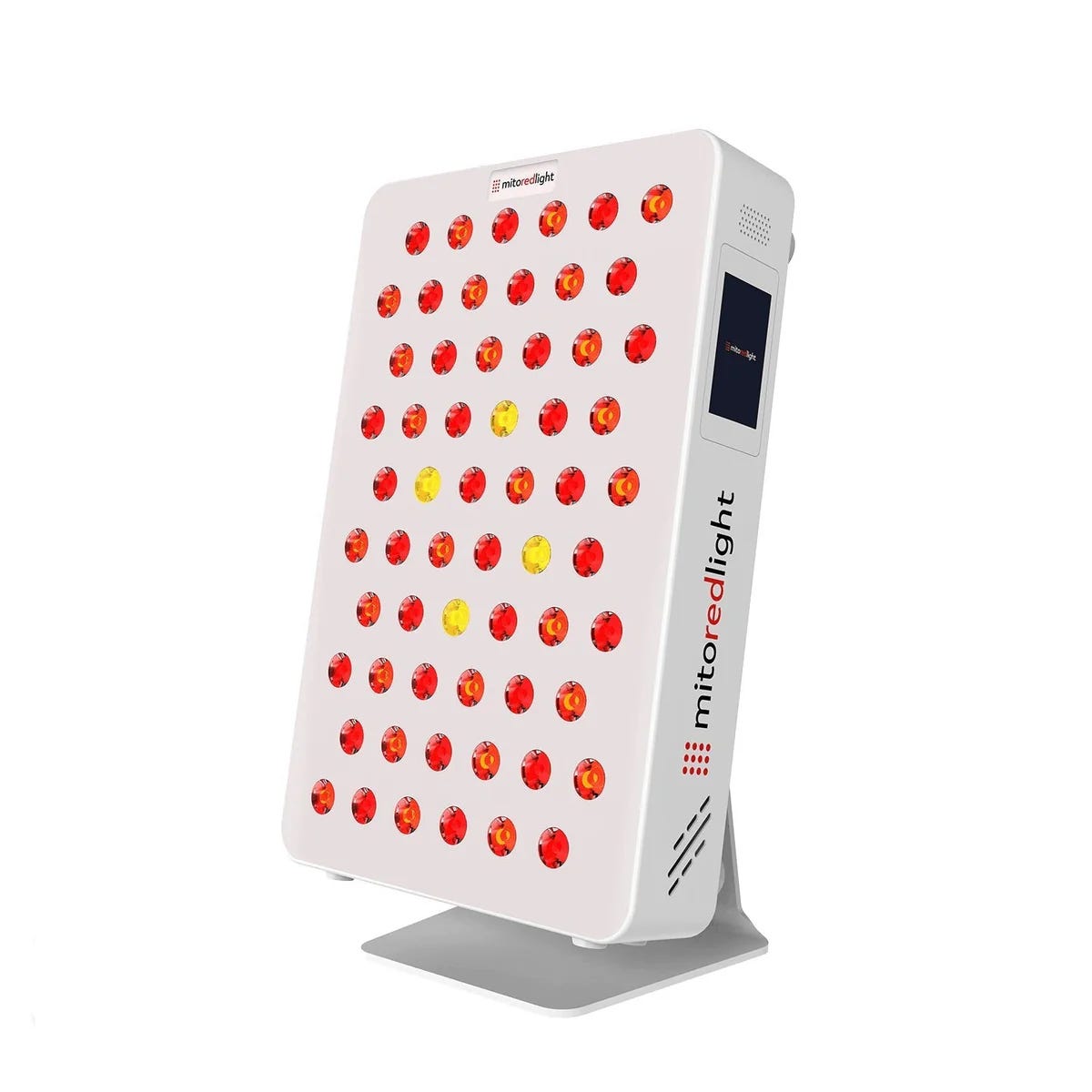
Lastly, If You want to go ALL out on healing after injury, Get a Redlight
In the situation of “Im injured and will do whatever it takes to heal” then I would in fact recommend redlight therapy daily.
Infrared light stimulates the mitochondria and accelerates cellular regeneration. A 2025 meta-analysis of photomodulation studies using wavelengths from 660 to 950 nm found significant reductions in soreness and large improvements in strength recovery at 24 and 48 hours after muscle damage. The mechanism is mitochondrial. Red and near-infrared light is absorbed by cytochrome c oxidase in the electron transport chain, which raises ATP output.
=More cellular energy, faster repair.
Ive owned a large full body Mito redlight since 2021. My wife uses it more than I do. I have used it sparingly when Ive had minor injuries. In the hierarchy of health tools, I dont consider it essential…BUT it is useful for when you are hurt.
Id suggest getting a small panel that you can use for the affected area. 10 minutes daily at about 1 foot away wherever you are hurt.
Get a Mito Pro Panel