

If you’re relatively new to lifting, the worst thing you can do is obsess over tiny details while skipping the basics. I admit I should probably have published a more foundational “diet guide” first before this article, but I got to writing this and wanted to finish.
So Context
Before we talk about peri-workout strategy, you need to be doing the following, every day:
Eating enough total calories to support training and recovery
Hitting at least 1 gram of protein per pound of bodyweight
If you’re carrying a lot of extra fat (say over 30% bf for men or 35% bodyfat for women), use estimated lean bodyweight instead
Basing ~80% (or more) of your food on whole, minimally processed sources
Eating a combination of fat and carbohydrates for overall satiety, nutrients, hormonal health, and fueling daily energy and training
Eating regularly, at the same times, around 3 square meals a day, and not skipping meals
What Is Peri-Workout Nutrition
Peri-workout nutrition simply means everything you consume from about 1–2 hours before your workout session until a couple hours after it’s done,
plus whatever you’re drinking while you train.
John Meadows (my mentor a decade ago) considered it the most powerful nutrition strategy for supporting muscle growth, and he was known as an advocate of what are now called intra-workout formulas.
Periworkout Nutrition applies to both Natural and Enhanced lifters
This is sometimes criticized as a strategy thats only relevant if you are on steroids and using insulin, and that is NOT true. Anyone can maximize their nutrition and get better workouts, better pumps, and faster recovery.
The Science Behind It
The old school belief was you wanted to break the muscle down a bunch, and then grow back bigger and stronger. The scientific phrasing for this was muscle damage was a mediator for hypertrophy. The classic “tear it down and build it up idea”.
However, when research was done on this, the finding were…sort of the opposite
Muscle growth does not require muscle damage at all.
From the Schoenfeld (2012) review: “Although concentric and isometric actions contribute to EIMD, the greatest damage … is seen with eccentric exercise … Other researchers… note that hypertrophy can occur in the relative absence of muscle damage
Muscle damage and muscle remodeling: no pain, no gain? (Journal of Experimental Biology, 2011)
“The results ... suggest that muscle rebuilding—for example, hypertrophy—can be initiated independent of any discernible damage to the muscle.” (The Journal of Experimental Biology)
Role of damage and management in muscle hypertrophy (Molecular Cell Research 2020)
while damage may contribute, it is not a necessary condition for hypertrophy
Anabolic signals and muscle hypertrophy – Significance for training (Behringer, 2025)
“In conclusion, while muscle damage may contribute to hypertrophy, it is not a necessary condition for muscle growth. Other mechanisms, such as mechanical tension and metabolic stress, dominate.” (ScienceDirect)
Does this mean you should train like a BITCH and never push hard in the gym and leave reps in reserve????
NO. Some level of muscle damage is ALWAYS going to happen from training, thats fine. Im making the point that excessive muscle damage is not required for hypertrophy. You grow based on what you can fully RECOVER and ADAPT from.
You get the most growth when you balance stimulus with damage. This one of the legitimately useful insights of research on muscle building; the MORE you damage a muscle, the less real adaptive growth happens. If you are slow to recover, you are not growing.
Hard training requires intelligent nutrition that supports that training then.
When You Train, There are Mechanisms You Can Leverage
Intense training triggers Glut-4 transporters to move to the surface of muscle cells, making them extremely receptive to glucose.
You also elevate muscle protein breakdown (MPB).
You want to reduce breakdown and increase synthesis (MPS) at the exact same time.
Your muscles are most sensitive to carbohydrates during and after training
This is what increases overall insulin sensitivity, and gets your body using glucose for muscle growth versus promoting fat storage
This is why peri-workout nutrition exists, to give your muscles what they need exactly when they are primed to absorb it.
This is why once you have your base diet on point, this is one of the first “advanced” levers to pull:
With Periworkout nutrition, you are getting very organized with your macros and the timing of them
You’re not changing total calories.
You’re not changing total macros.
You’re simply moving carbs and protein to the time where your body can use them best. Its timing your nutrients strategically
Pre-Workout Nutrition in 3 Parts
Pre-Workout Meal
The purpose of this meal is consuming enough carbs to keep blood sugar stable and energy consistent through the session, enough fats to slow digestion just enough to prevent a crash, and enough protein that your body has readily available amino acids.
Your pre-workout meal is usually eaten 30–120 minutes before you start lifting.
If you LOVE to train fasted, you’ll probably want to wait 2 hours. For most people, its around 60 minutes.
Preworkout Macros
Normal serving of protein
Men: ~30–50 g
Women: ~20–40 g
Solid food or shake is fine, it needs to be something that digest easily. Whey isolate works great, as does egg whites, or fish, chicken, or turkey breast. Red meat is not recommended
A Small amount of fat
Roughly 10–20 g works well
Enough to slow down the release of carbs into the bloodstream
Not so much that digestion bogs down or you feel sluggish
A generous dose of carbohydrates
50-100 grams
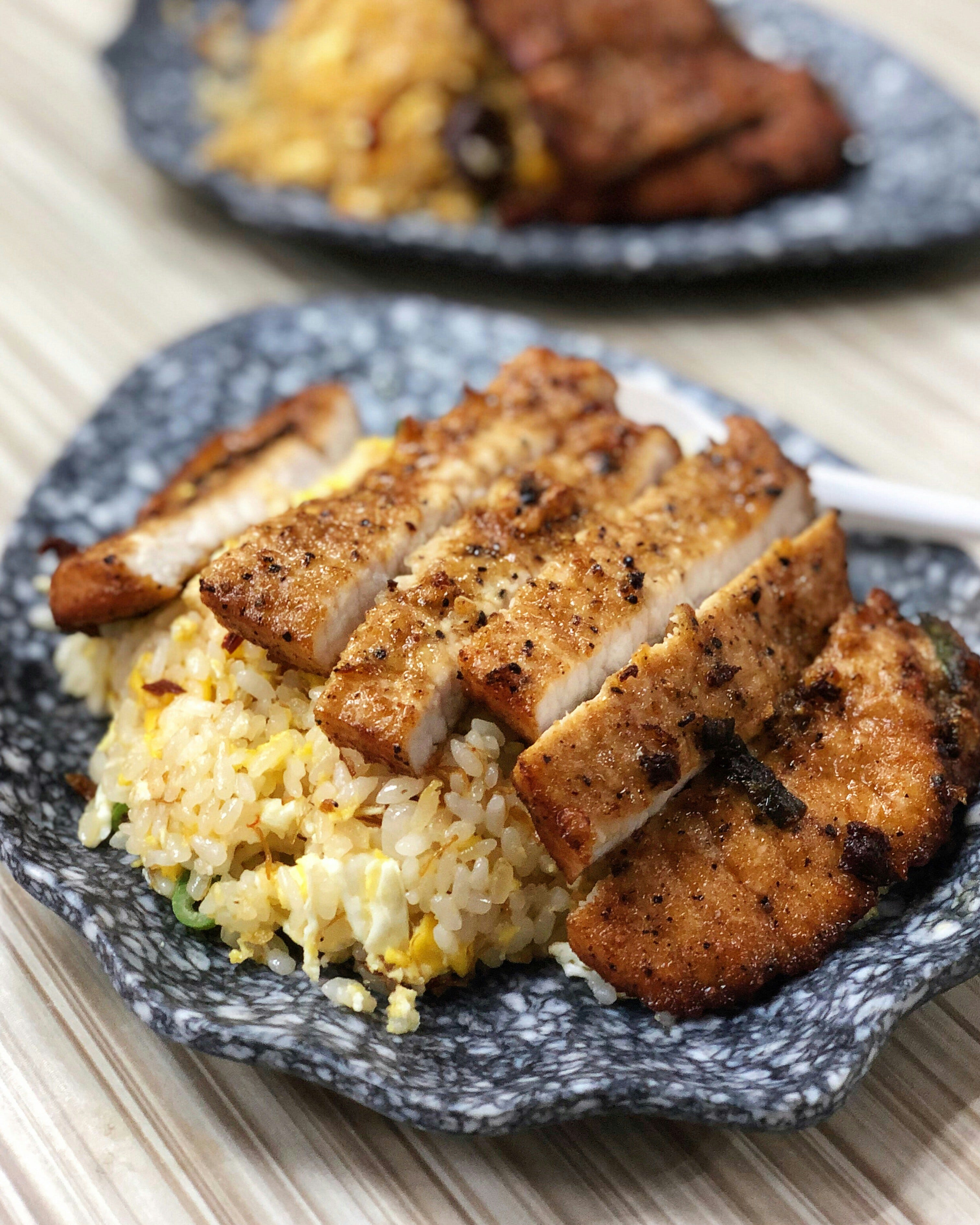
Easy-digesting options: white rice, Cream of Rice, oats, certain breads, fruit, honey, etc.
John’s was particularly fond of cream of rice with some peanut butter, plus whey isolate. You could also do the High School Football Bro classic of whey protein, 2 bananas, and peanut butter.
Or just eat chicken and rice. Cannot go wrong with Chicken and rice
Intra-Workout Nutrition
Intra-workout covers everything you sip from your warm-up set to your last rep.
Old-school lifters used things like peanut butter and jelly sandwiches or sports drinks. There are various funny stories iron lore of guys like Paul Anderson drinking a gallon of milk while training.
It was in the 90s and 2000s that Milos Sarcev in particular started playing with specific blends of amino acids and carbs.
A lot of us experimented with BCAAs, PeptoPro, waxy maize, etc. I spent A LOT of money on Intras.
What I discovered was that you dont need the fancy ingredients at all. They are fun, but not essential.
And I learned that electrolytes make the biggest difference of all, so that comes first.
Personally I focus on electrolytes first, and then carbs second, I dont add protein or aminos into my intraworkout.
Start sipping your intra drink 5–10 minutes before training.
The purpose of this drink is for hydration over all else.
Blood Flow and Hydration

How does one know they are experiencing poor versus fantastic blood flow? What are the symptoms?
What you want in your intra drink:
1. Electrolytes-Sodium, and Potassium, at roughly a 4:1 ratio. Truthfully you can play around with this one. It could be 3:1, even 2:1. Just keep sodium higher and potassium lower. You can add in small amounts of magnesium and calcium as well. When in doubt, just get an LMNT pack in 1 liter of water.
2. Fast-digesting carbs (20-40 grams)
Cyclic dextrin was the Bro favorite for a long time. But Ive used orange juice, pomegrante juice to equal effect. Or Honey. Or even kool aid. It needs to be easy on the stomach and absorb quickly.
Carbs here increase insulin secretion just enough to slow down muscle protein breakdown. Its a neat biochemistry hack.
3. Fast Digesting proteins~10 grams (entirely optional)
Hydrolyzed casein peptides is the gold standard. It digests instantly and floods your bloodstream with amino acids your muscles can use immediately. Its also EXPENSIVE.
The cheaper option is whey hydrolysate
Post-Workout Meal
Your post-workout meal is what you eat within roughly 1–2 hours after finishing your session.
In the late 2000s and early 2010s, there was a lot of talk about the “anabolic window” the idea that you needed to eat quickly with 1-2 hours of training. That was mostly bogus.
In reality, muscle protein synthesis is elevated for a full 24 hour after training. What matters is OVERALL intake, not having to nail a magic window. That siad
You also shouldn’t wait three or four hours and then casually eat.
You refcovery WILL be slower.
As such, I suggest eating like the anabolic window is REAL, and aiming for your meal 60–90 minutes post-workout
If you’ve had a good intra-workout drink, you’ve already been feeding your muscles during training. That buys you time to get home and prepare real food.
Now, if you’re deep in a fat-loss phase and starving, that “window” will feel like five minutes. A lot of competitors keep their post-workout meal prepped in a cooler so they can start eating on the way home—that’s fine too.
Here’s how to structure the meal:
Normal serving of protein
Men: 40–70 g
Women: 20–40 g
When dieting, I prefer this to come from solid food, shakes go through your system too quickly and don’t keep you full.
Fat: keep it low
Just trace fats from lean protein sources and carbs, 10-20 grams at most
Choose very lean protein: chicken breast, turkey breast, white fish, egg whites, shrimp, etc.
Carbs: fast and low-fiber
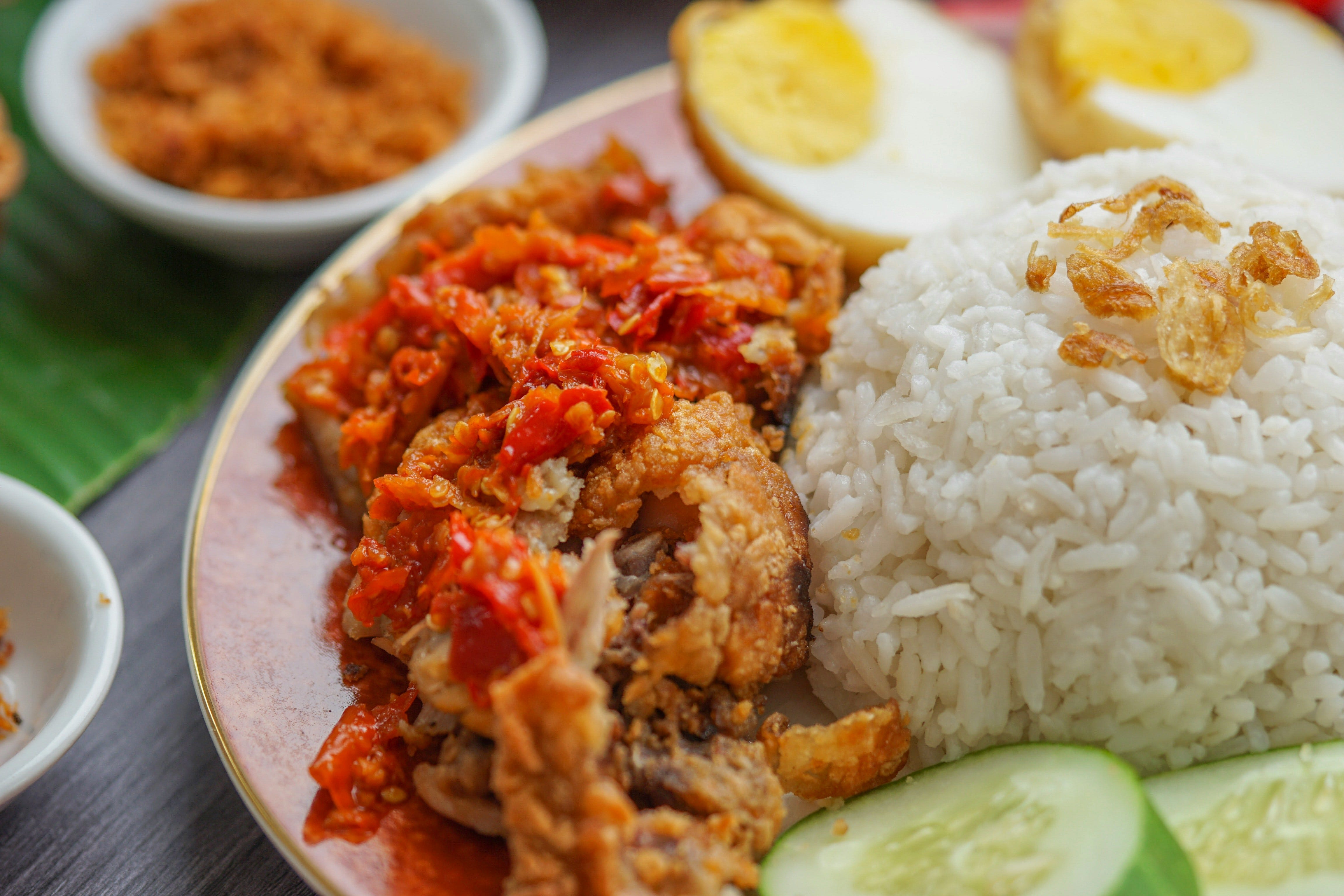
White rice
White potatoes
Cream of Rice
John liked to do funny stuff pancakes made with applesauce instead of eggs/oil can work
Again, CHICKEN AND RICE
Final Thoughts
Give this structure at least a few weeks of consistent execution. You can expect to see better training performance, better pumps, and less fatigue, which usually leads to more productive sessions and more muscle over time. It won’t transform your physique in a single day, but it will help you squeeze more return out of the training effort you’re already investing.
Once you get into the groove, you probably wont ever want to go back to fasted workouts.
Talk again,
AJAC
Order your Fitness Genes test with code AJAC20
Download the A-Z BroScience Guide to peptides:
Get Labs through Function
Mitome Mitchondrial test
Use code AJAC10 at Eliteresearchusa.com