

The practice of micro-dosing GLPs has become increasingly popular the past year. Sometimes its Ozempic, sometimes Tirzepatide, sometimes Retatrutide.
Lets start with the basics
What is Microdosing?
Micro dosing defines a strategy of using a low dose of a compound for an extended period of time. Rather than increase the dosage, people will maintain using a low dose, primarily for the metabolic health benefits.
Microdosing is flexible, but typically done 3 different ways
-Using the lowest effective dose of the compound, and not increasing
-dividing the standard weekly dose into two or three doses
-Dividing a weekly dose further and dosing every day
These approaches are individualized. There is no better or worse strategy, the best approach requires experimentation
How do people know how much to take?
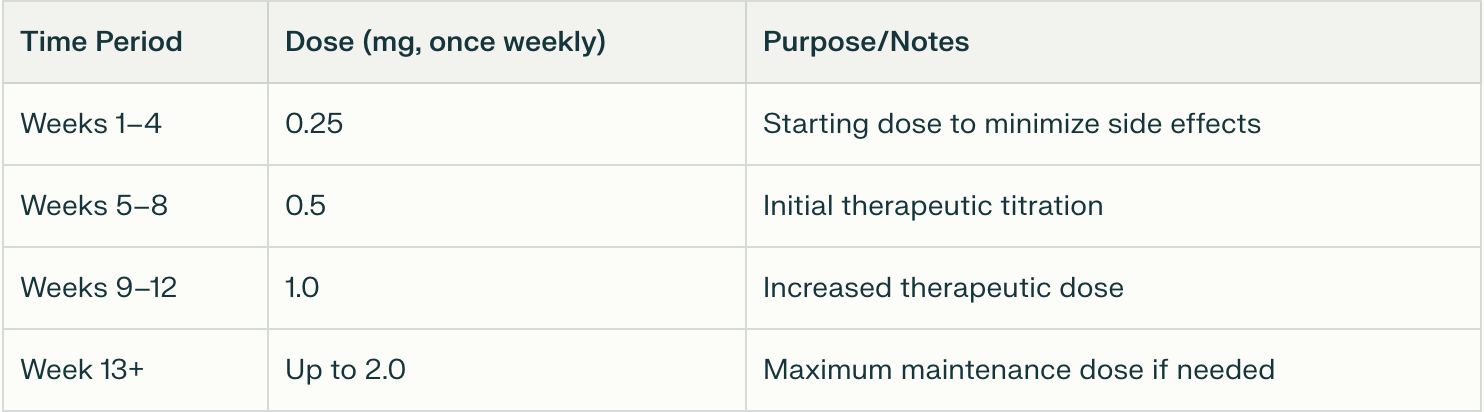
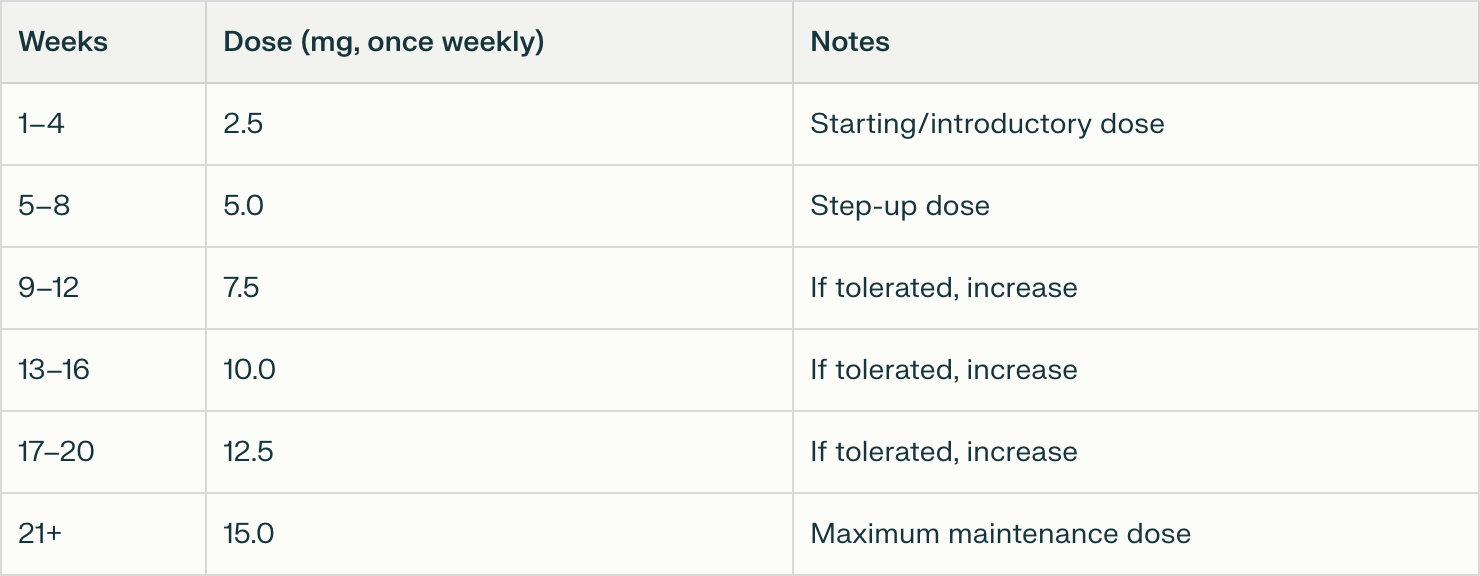
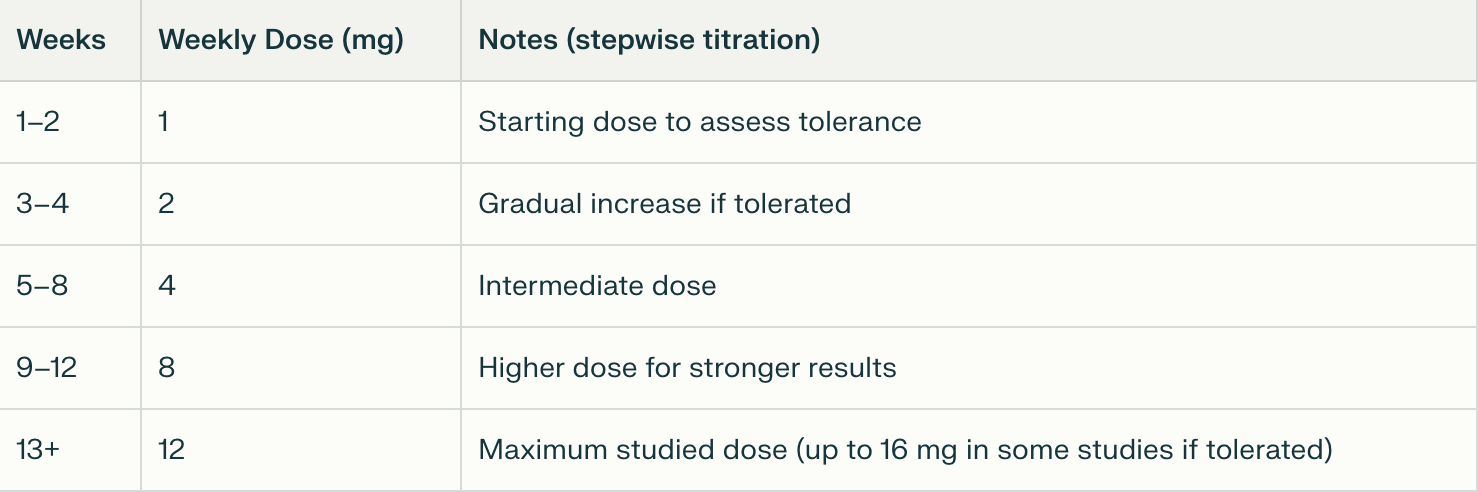
All of the GLP1s went through clinical trials, and for Ozempic and Tirzepatide, they have been used by millions of people. The effective dosages are clearly established. The current best practice clinical recommendation for dosing is based on a “Step wise” strategy.
Step wise dosing is based on starting at a minimum effective dose, and then increasing over time. This provides accurate assessment of the patients response and tolerance, it minimizes side effects, and it creates a baseline of effects. Further increases in dosage are objective.
In clinical trials, all of the GLPs were used for long periods of time (upwards of 6 months or longer), and the stepwise strategy was demonstrated to work. The higher the doses, the more weight loss and the more significant the improvements in cardio metabolic health.
Ozempic Stepwise Dosing
Tirzepatide Stepwise Dosing
Retatrutide Stepwise Dosing
So why Microdose Exactly? Pleitropic Effects
When people think of GLPs, they tend to assume “weight loss”. The mistaken assumption is that ALL the benefits are solely from losing scale weight, and nothing else.
This is not correct. While the weight loss is a contributor, there are a number of other mechanisms at play.
The reason the GLP1s have become so groundbreaking and are considered miraculous in medical science is because they deliver health effects BEYOND what conventional dieting delivers. They do not just help people to lose weight, rather they improve metabolical health greater than conventional fat loss alone.
The GLPs achieve this by exerting a range of metabolic effects(1)
GLPs stimulate pancreatic insulin secretion while suppressing excess glucagon release, leading to improved blood sugar regulation and reducing high-low peaks and crashes in blood sugar
GLPs improve blood lipid profiles by lowering total cholesterol, LDL cholesterol, and triglycerides, while modestly raising HDL cholesterol
GLP-3s, aka Retatrutide, notably reduces liver fat and improve markers of non-alcoholic fatty liver disease (NAFLD), as well as decreaseing plasma liver enzyme levels
GLPs are considered cardioprotective as they lower blood pressure, improve endothelial function, and may reduce arterial stiffness
Large trials have shown reduced rates of major cardiovascular events (heart attack, stroke, cardiovascular death) in people with type 2 diabetes, independent of weight loss.
GLPs (again, Retatrutide being most notable) have direct anti-inflammatory actions, suppressing pro-inflammatory cytokines and modulating immune cell signaling, which may benefit chronic inflammatory conditions
They improve renal health by lowering proteinuria, reducing the progression of diabetic kidney disease, and possibly improving kidney function over time
There is emerging evidence that the anti-inflammatory effects can improve brain health by decreasing brain inflammation, and may be neuroprotective
There is evidence that the anti-inflammatory effects can alleviate pain and improve arthritic conditions
The newest generation GLP-3 support brown fat activation, and can potentially increase basal energy expenditure
GLPs have been used to successfully manage and reverse conditions like PCOS, and may have usage for other endocrine disorders
How are they doing all this???
To answer this question, we need to look at HOW the glps work.
Ive written before about their discovery, and how they are incretin hormones.
When you inject a GLP drug, you are increasing the amount of incretin hormone 10-20 HIGHER than would normally be released by the body.
This massive increase is where all the metabolic effects are arising from. This is why its not accurate to say its only appetite reduction. This enormous wave of incretin hormone is acting on a broad array of tissues (including the brain), and all of this compounds into the pleitropic effects described above.
A likely long term use case for GLP Drugs will be for Longevity
This is a natural course of investigation given all the marked improvements in metabolic health. There are multiple studies being done currently on these benefits, and the drugs are are already used for this purpose in the fitness, biohacker, and concierge medicine world.
Bodybuilders in particular are using Retatrutide to “Lean bulk” and taking advantage of the improved insulin sensitivity and nutrient partitioning to maximize muscle gain and minimize fat gain.
There are also individuals using it for “gaintenance”, taking a low dose each week (in the 1-4mg range) simply for the improved cardiometabolic health and the improved fat burning effects, but not for specifically cutting or bulking.
Will EVERYONE be on GLPs in the Future?
Maybe not, but as Ive said prior, they are a true breakthrough and the first revolutionary innovation in medicine for the 21st century. It is always a personal choice whether someone elects to use them or not use them.
(For those interested in the Biohacking and Broscience world, I have an active telegram dedicated to this, its free for anyone to join)
This is week 3 of my N-1 experiment with Reta, and I am down almost 8 pounds. (It took me 12 weeks on keto to lose 8 pounds!) Food noise is down 95%. No major side effects at 2.5 mg dose. Planning to increase to 3 mg next week. I can't wait to see what happens by week 12. Thank you for all the great info!