

In light of the past article on Periworkout Nutriton, and what I learned from John Meadows, I wanted to cover Insulin next.
The Big Idea of this article is simple:
Control your insulin levels with good dieting practices, and you will be metabolically healthy.
Thats it.
The opposite of this is uncontrolled, chronically elevated and spiked insulin. Thats bad.
That is what leads to metabolic syndrome and diabetes 2 and obesity.
With healthy insulin sensitivity and metabolic flexibility, eating food makes you more energetic and lively. Your body is equally capable of using glucose or fat for fuel.
With poor insulin sensitivity and and no metabolic flexibility, your body is prone to energy crashes, and calories go to fat storage. If insulin is chronically elevated, you will be chronically inflamed.
Now what Ive shared the BIG IDEA, lets get into what it means and the science behind it
An explanation of insulin is warranted.
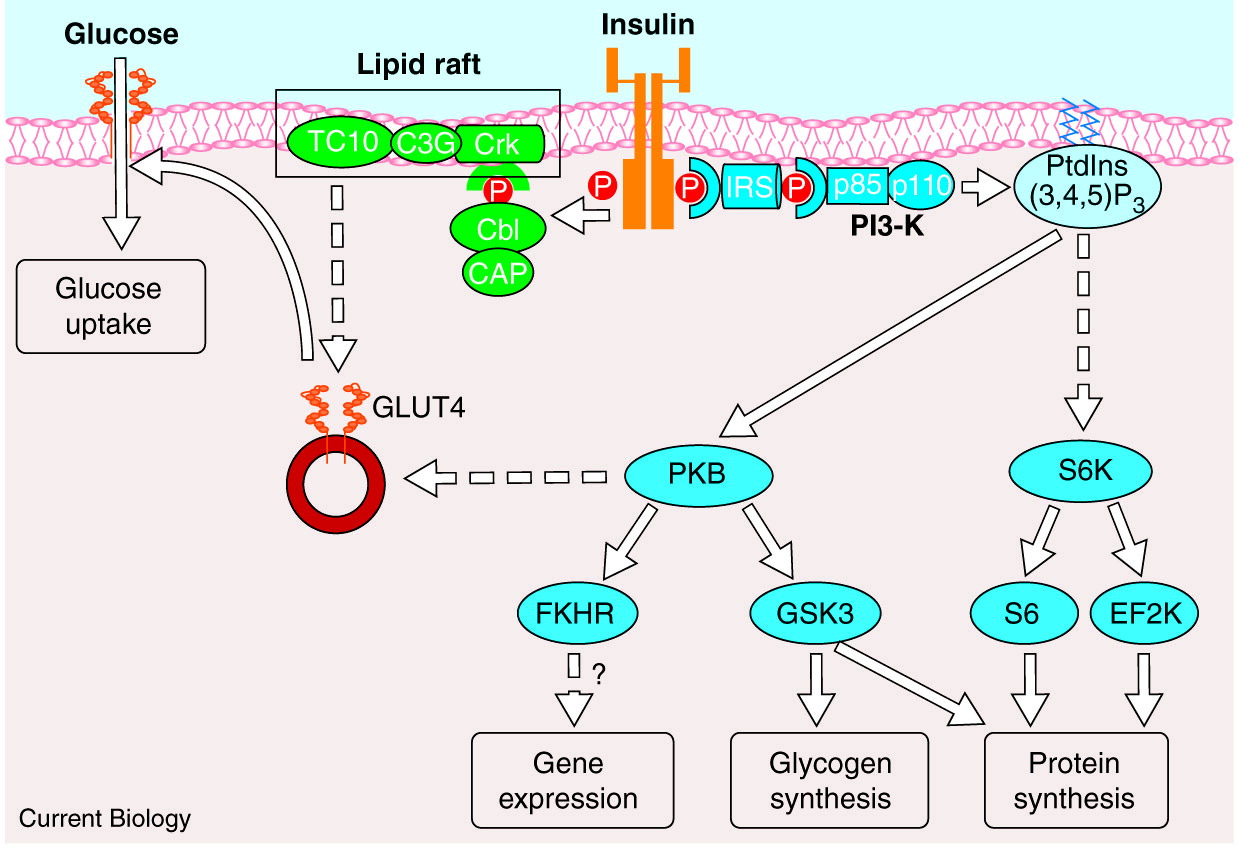
Insulin is the body’s master anabolic storage hormone, responsible for shuttling glucose and amino acids into cells and regulating how energy is stored or used.
It is a peptide hormone produced and released by the beta cells of the pancreas.
When insulin is released in response to rising blood glucose (usually after eating carbohydrates, but also in response to protein), it signals:
Muscle cells to take up glucose and amino acids
Liver cells to store excess glucose as glycogen
Fat cells to store leftover energy as triglycerides
It is an anabolic hormones in the human body because it directly stimulates:
Protein synthesis
Amino acid uptake
Glycogen formation
At the same time, insulin suppresses fat breakdown (lipolysis), this ie why poor insulin sensitivity can lead to fat gain.
Some health gurus have even gone so far as to claim that insulin is all that matters for fat gain, and convey that any “spike in insulin” is a calamitous occurrence that should be avoided.
This kind of reasoning is illogical and ridiculous. Carbohydrates are not automatically bad for you, and insulin is not the enemy.
What is true is that learning to control insulin is one of the foundational skills of physique and health transformation.
This is why every effective dietary strategy ultimately hinges on how well you manage insulin.
Which brings us to the Timing Aspect of Nutrient Partitioning
—>Like with Periworkout Nutrition
Peri-Workout Nutrition

If you’re relatively new to lifting, the worst thing you can do is obsess over tiny details while skipping the basics. I admit I should probably have published a more foundational “diet guide” first before this article, but I got to writing this and wanted to finish.
Insulin management means you TIME your nutrition to take advantage of the insulin spike, and take advantage of the nutrient partitioning effects
Nutrient partitioning is the most simple terms is the body deciding how it uses the food you consume. In a bodybuilding lens, it can be broken down into a simple binary
“Should we use this energy to build more muscle tissue?”
“Or should we store it as fat for later?”
Metabolically fit people, their energy gets used for powering muscle, muscle glycogen, recovery, and energy.
Unhealthy people, their energy is dumped into adipose tissue because they are insulin insensitive, and likely inactive as well with little muscle activity and not enough muscle tissue. Over time this leads to be obesity, inflammation, and chronic stress.
Nutrient partitioning is also affected by your sex hormones, your gut health, your leptin sensitivity, your thyroid, your skeletal muscles, and your fat mass. You could include your brain in their as well even.
For the sake of keeping things simple, we will focus on Insulin. If you control for that, the others tend to take care of themselves.

Why Having Muscle and Building Muscle is Important
To be insulin sensitive and metabolically adaptable our entire lives, we need MUSCLE TISSUE. Muscle is the holy grail for insulin sensitivity
Insulin signaling looks like this;
Carbs get broken into glucose → glucose enters the bloodstream → insulin rises.
From here, one of three things happens:
Glucose is burned immediately for energy
Glucose is stored as glycogen (muscle and liver)
Excess glucose gets converted into triglycerides and stored as body fat
Under normal, healthy conditions:
Muscle handles most of the glucose (85–90% of insulin-mediated disposal)
Fat cells only grab a small amount (5–15%)
This is ideal, your muscles act like massive glucose sponges and your body stays lean (provided your overall calorie intake is isocaloric). Your metabolism can autoregulate because youre not having energy crashes and messed up hunger hormone signaling.
With a lack of muscle tissue and little physical activity, this sequence flips
Muscle glycogen is already topped off (because its never used)
Muscle tissue is rarely used
Insulin sensitivity drops
Insulin levels rise to compensate
Muscle stops responding
Glucose signals fatty acids to get stored into fat cells into fat cells
Excess glucose gets converted into fatty acids through de novo lipogenesis
The cycle repeats and worsens
This is a vicious cycle feedback loop. More insulin, more fat storage, more insulin, more fat storage…it doesnt get broken unless insulin gets controlled and MUSCLE tissue finally gets working
Science Aside, How Do We Practice Insulin Control in Real Life?
Im going to share this article by Zaid, because his explanations and recommendations are exactly what I planned on writing about. I’ll summarize into simple directives though for the TLDR crowd

1. Eat while its daylight
This directive is simple. When its light outside when you should be eating. Dont eat when its dark. The time window that you eat will naturally change throughout the year (unless you live at the equator).
2. Eat the majority of your carbs in the first half of the day
This is when insulin sensitivity is at its peak. It declines over the course of the day.
3. Avoid eating large amounts of carbohydrates and fat together
This can be done as an occasional treat, but high fat and high carbs is high insulin signaling plus fat storage. These types of food will fatten you up if you eat them too frequently
4. Get Light exposure after consuming carbohydrates—>Go for a walk outside
A walk after eating lowers blood sugar and modulates insulin. It also helps keep you circadian aligned.
5. Prioritize Carbohydrates Around Training (which you should schedule in the morning or early afternoon as much as possible)
A simple formula:
Put roughly 70% of your daily carbs in the pre/intra/post-workout window.
Example:
If you’re eating 300g carbs on a hard training day:
Pre-workout (breakfast): ~100g
Intra-workout: ~20g
Post-workout (lunch): ~80g
This ensures that glucose is hitting your bloodstream when your muscles are most insulin sensitive and primed to absorb it, along
6. Cycle Using Glucose Disposal Agents
For people who have metabolic syndrome, are obese, type 2 diabetic, there is merit in using compounds like Berberine or Metformin.
I prefer people use Berberine over Metformin. Aside from not being a prescription, Berberine has more favorable effects for improving lipids and cholesterol, and has less side effects. Its considered less potent than Metformin and works slower, but for overall metabolic health I’m more favorable to it.
For metabolically healthy people, I think the use case for GDAs is less clear, but they can still be experimented with, although theres probably not clinical need for them.
7. Match Carbohydrate Intake with Activity
This is the concept of “carb cycling”. Have more carbohydrates on the days you are most physically active. Have less carbs on the days you are less physically active. That simple.
On a Slow day, cap carb intake at 100 grams.
On an Active day, increase to 200, 300, 400, however much you need.
This also cycles your calories as well.
8. LIFT WEIGHTS
I dont think this requires anymore explanation at this point.
Summary
You can absolutely influence where your calories go and how efficiently you use them. Carbohydrates are not the enemy; screwed up circadian lifestyle, poor timing, and inactivity are the real issues.
Get these habits locked in, and you will be healthy 24/7 365
Download the A-Z BroScience Guide to peptides
Order your Fitness Genes test with code AJAC20
Get Labs through Function
Mitome Mitchondrial test
Use code AJAC10 at Eliteresearchusa.com