How does one know they are experiencing poor versus fantastic blood flow? What are the symptoms?
I received this question on X last week, it was a great question.
I had shared that I was regularly ingesting 8oz of pomegranate juice before workouts the past few weeks, for the blood flow and overall endothelial benefits.
Coming from the Bro fitness world, I am very tuned in with my body, my hydration levels, and when blood flow is good versus poor in training.
But for the untrained individual, this is mysterious. What is even being talked about here with getting a “pump”? How do you know blood flow is good?
Hydration, Blood Volume, and Athletic Performance
To answer the question, lets start with some basic facts and principles
The adult human body is about 60% water. This is not water in the sense of regular H20 in a water bottle, but structured water. This total water content encompasses all fluids in cells, blood, lymph, and other bodily fluids like cerebrospinal fluid and digestive juices
Your blood is about 92% water. Maintaining this water content in the blood is essential for healthy blood flow around the body. This cardiovascular network is how body-water balance is maintained.
The other 8% of Blood is a long list. You have Red blood cells carrying oxygen. You have White blood cells for immune function. You have platlets for clotting, plasma proteins like albumin, globulins, and fibrinogen for transport.
Your blood carries electrolytes and nutrients. The most essential electrolytes are sodium, potassium, and chloride. Your muscles and brain and nervous system need these nutrients to operate normally. A lack of sodium ions, or potassium, or chloride, and your nervous system and muscle and soft tissues will take a hit.
Additionally, you have blood glucose (blood sugar), which is critical for ATP production and energy. You also have amino acids, which make a difference for muscle anabolism and catabolism
Your blood also carries waste products, such as urea, carbon dioxide, and lactate.
Blood flow and hydration requires more than “just drink water”
Clinically, dehydration is usually categorized by severity:
Mild Dehydration: Loss of 1-2% of body weight due to water deficit. Many people experience mild dehydration routinely, but their default health state is so low that they assume this is normal.
Moderate Dehydration: Loss of 3-5% of body weight. Your physical performance will be declining severely and injury risk increases. At this level you already might need medical intervention for recovery to happen quickly.
Severe Dehydration: Loss of 6% or more of body weight, you are going to die unless you get fluids in you immediately.
Mild to Moderate Dehydration symptoms look like the following
Thirst
Dry mouth or sticky saliva
Fatigue or weakness
Headache
Dizziness or lightheadedness
Dry skin
Decreased urine output (dark yellow urine)
Muscle cramps
Constipation
This is how MOST people feel and operate day to day
Ive trained clients for decades, the number of novice clients who “get lightheaded” working out, or generically dont feel good, or cramp up easily, or have day to day constipation, it is innumerable.
These individuals don’t know they are dehydrated, they dont know they need more electrolytes and nutrients, and not surprisingly they find exercise to be unpleasant, and its not only because they are weak and deconditioned.
What does GOOD Hydration feel like then?
Your body will feel more supple, flexible, and less stiff
Your body will feel more supple, flexible, and less stiff
As you begin to warmup, your muscles will feel looser and it will feel good to contract and lengthen them
The movement of your joints will feel smooth, versus feeling stiff and uncomfortable
Your muscles pump up much more readily from increased bloodflow
You will feel stronger and be able to contract muscles more intensely on all your exercises
Your muscles will be less prone to straining
You will not get exercise headaches
You will have better stamina and heart rate variability
All of these things are noticeable for trained individuals.
So, what do we need for optimal hydration?
Water Intake
Aim for 3-5 liters per day. There is no exact formula for water intake, recommendations range from 0.5-1oz per lb, depending on activity levels and how much you sweat. I suggest at minimum 3 liters daily, not counting hydration from food sources. The more you exercise, the more you need.
Sodium
25000+-5000mg daily, depending again on activity levels and sweat. The more you exercise and more sweat you excrete, the more sodium you will need. For people that exercise regularly, I suggest 3-4 grams daily as a general target
Before exercise of any kind, endurance or lifting weights, I recommend 1000mg of sodium intake 30-60 minutes before training, with 1 liter of water. If you are training more than 1 hour, consume an additional 500-1000mg per hour
Potassium
3,500 – 5000mg daily
While potassium can be consumed through powered supplement form, I suggest obtaining the majority through diet. All tubers are high in potassium, such as potatoes, yam, sweet potatoes and more. Bok choy, spinach, and leafy greens are as well (and great fiber source). Beans such as lima beans, giant beans, white beans, and other legumes are excellent sources as well.
Magnesium
I suggest 400-800mg per day. As magnesium is largely depleted from modern soil, its best to supplement
Magnesiusm glycinate, biglycinate, and tartrate are the suggested forms. Avoid magnesium oxide. Magnesium citrate is recommended only for constipation.
Calcium
1000-1,500mg daily. As many foods are fortified with calcium, including dairy, its not something most people are deficient in. Bone broths are also a great source.
Carbohydrates
Im not going to argue with carnivores and keto people. Knock yourself out beign zero carb. For everyone else that isnt a zealot, carbohydrates are necessary fir health and performance and metabolic flexibility.
Aim for 1 to 5 grams per lb of bodyweight a day. I suggest going by activity levels. If you are very sedentary, 1 gram (potentially less). If you walk and exercise, go to 2. If you exercise more intensely and frequently and longer duration, aim for 3-5 grams per lb of weight. This will vary immensely and is N=1
Before training, I suggest 50-100 grams of carbohydrates, along with 20-50 grams of protein, 1-2 hours before the workout. After training, the same as well, consumed as soon as possible. Fat should be at a relative minimum in both meals, 20-30 grams.
Micronutrients and Stacks for Cognitive & Neurological and Physiological HydrationSupport
You can get STUPID with taking products as preworkouts.
Believe me I enjoy these as much as the next bro, but I dont pretend they are necessary either. I dont want to give the impression you need to ingest 20 different things before you can start a workout.
The essentials for a good workout are water and salt. 1 liter of water with an LMNT packet or anything similar. You could simply add table salt to water, but I like the flavored hydration packets now.
The next level is carbohydrates and extra aminos to get some increased Nitrous Oxide production going. For that I like 8oz of pomegranate juice added to my 1 liter of water with my salt. I drink this starting 30 minutes before training. Ill also have 2-3 grams of Taurine. Again, optional, but cheap and very effective
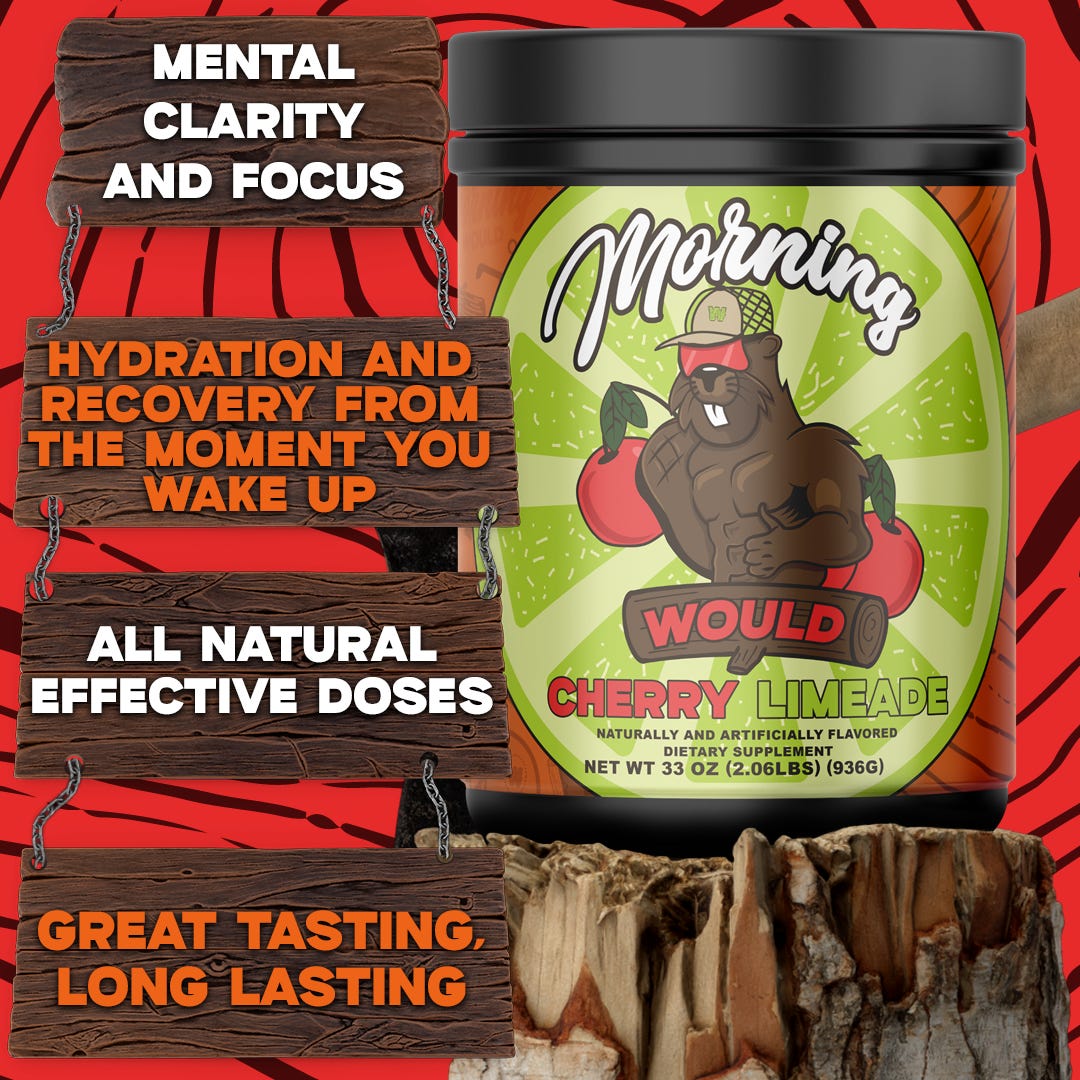
The final level is a preworkout product like Morning Would. Use the code AJA for 10% off. This has creatine and many other things in it. I like this blend and have used it on and off the past year. Great product, great founders.