

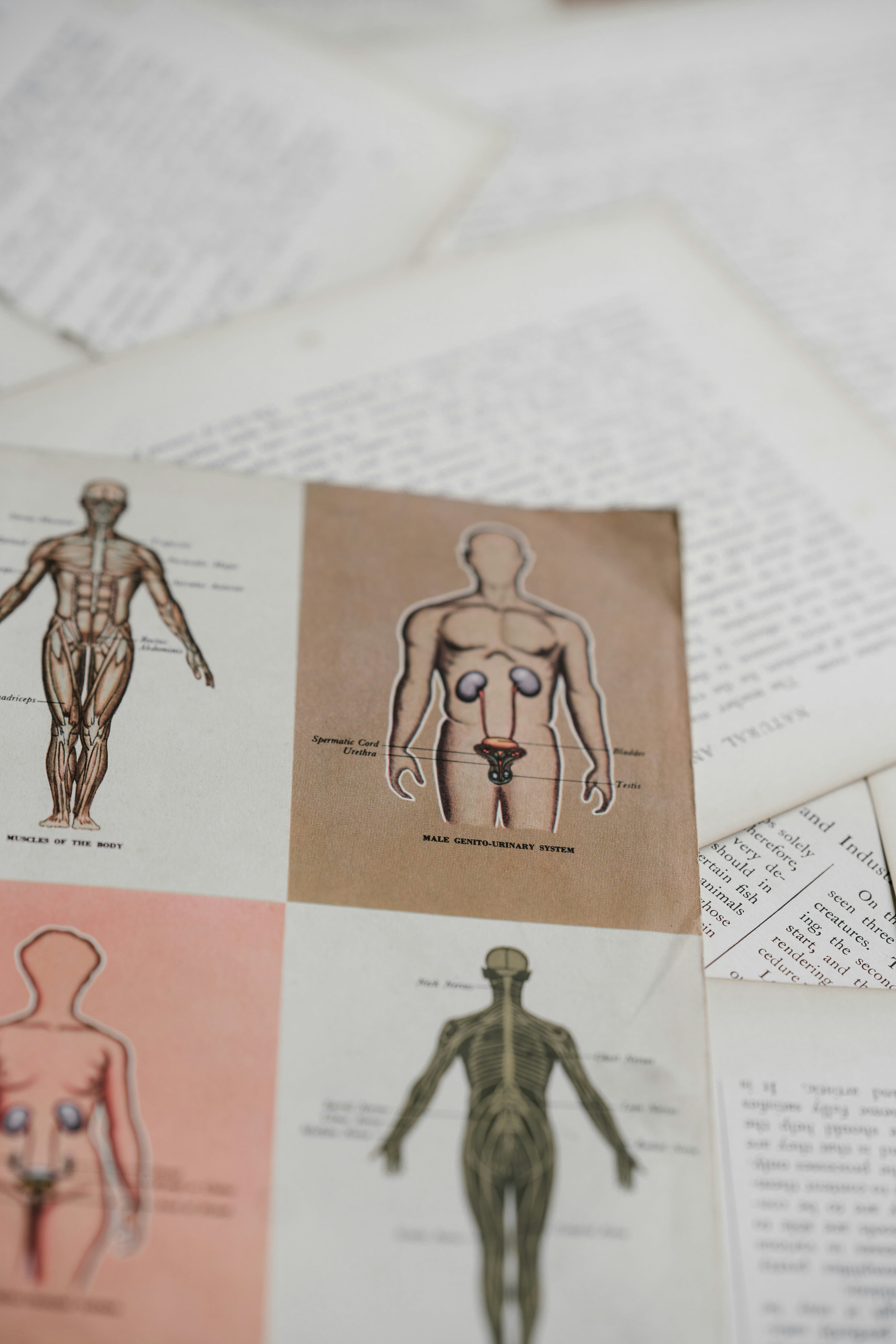
Over a decade ago, I learned of a concept called biofeedback. I believe Paul Chek was who I learned it from, so credit to him.
Biofeedback was something Ive taught to clients for a long time, and it became personally relevant when I met my wife and we were able to restore her fertility naturally.
Biofeedback is simple in concept: you are paying attention to your bodies natural signals and your current state of homeostasis.
Call it Self Awareness, but with specificity.
Biofeedback is what wearable devices attempt to track, but quantification is not possible for some, and the devices that exist, like Whoop, Oura, Apple watch, etc, they cannot precisely measure whats happening internally in metabolism. They are largely heart rate trackers and then lots of extrapolations get made on that data.
Does this mean wearables are stupid?
NO. Tracking heart rate and sleep is good, but the best data is the kind that comes from your own self awareness and paying attention to bodily signals that cannot be measured by a watch.
Trying to distill the body down to a single score is reductionist. It might be useful, but it cannot sufficiently convey the totality of lived experience.
The Medical mindset misleads everyone into thinking health is A-B Binary
And its not.
Pharmaceutical drugs are built on this mindset “so what drug do I take to fix this problem?????”
A holistic mindset that accounts for multiple systems and variables is necessary. The body is complex, multivariable, and nothing exists in isolation. The best medicine is able to address many systems, not just one.
Getting Back to Biofeedback, what signals and systems are we paying attention?
Lets start with the systems first. Your body is a multitude of systems that all operate continuously and maintain homeostasis. Depending on what biology textbook you read, the systems vary in number. They are also interconnected. I combine some of them to 10 in total
The Integumentary System
The Skin, hair, nails, sweat and sebaceous glands Your skin provides physical protection, thermoregulation, and is a sensory interface with the environment. Your skin also reflects your internal hormonal, lymphatic, and organ healthThe Muscular Skeletal System
This includes skeletal muscle, and the bones, cartilage, and connective structures. Your muscles and bones enable you to move, they depend on good hydration and nutrition for function, along with directing energy metabolism.Nervous System
Brain, spinal cord, peripheral nerves. Your nervous is the master system that controls EVERYTHING. All system communicate through it, the nervous system and the mind cannot be separated.Endocrine System
This includes all the hormone-secreting glands; pituitary, thyroid, adrenals, pancreas, and gonads. These regulate metabolism, growth, reproduction, and stress responses. Hormones influence emotion and behavior on all levels.Cardiovascular System
Heart and blood vessels. Delivers oxygen, nutrients, hormones, and removes metabolic waste.Lymphatic and Immune System
These two operate together. This includes the lymph nodes, lymphatic vessels, thymus, spleen, immune cells. Immune system regulates daily body repair, recovery, as well as defense against pathogens. Lymphatic system contributes and helps maintain fluid balance.Respiratory System
Lungs, airways, and associated structures. Gas exchange of oxygen and carbon dioxide.Digestive System
Gastrointestinal tract, liver, pancreas, gallbladder. Breaks down food, absorbs nutrients, and removes digestive waste.Urinary System
Kidneys, ureters, bladder, urethra. Filters blood, excretes waste, and controls fluid and electrolyte balance.Reproductive System
The organs and glands that support reproduction and hormonal sexual function. Reproductive health ties in with endocrine system and metabolic health. Obviously male and female systems differ in structure and function.
Each system is distinct in specialization, although interdependence is universal for health and survival.
You might read all this and wonder HOW is someone supposed to pay attention to all this?
Its a fair question. It can seem overwhelming, and no doubt you can deep dive on any one of these, within medicine they are all separate specialties!
But we dont need a medical degree to assess our bodily health. We can make general assessment because all these systems functions are integrated together.
Biofeedback Signals
-Hair/Skin/Nail health (Integumentary, Endocrine, Immune, Lymphatic, Digestive)
Your hair skin and nails are continuously regenerated. As hair skin and nails all require adequate protein intake and essential nutrients, any deficiency or change can tell you something is lacking in nutrition, recovery. The most fundamental definition of LIFE is the organization of energy into complex, regenerative systems. You could call this life force as well.
-Appetite and Digestion (gut health, diet, and brain health)
A healthy organism is a hungry organism. Healthy digestion is requisite for function. If your body is not absorbing what you are eating, and if what you are eating is causing inflammation and doesnt contain the necessary nutrients, you are going to have problems. Your daily appetite and daily digestion should be synchronized with one another
-Stool and urine (digestive health, diet, and hydration)
This extends to urine and defecation as well. Pee should be mostly clear. Stool should be solid. Loose stool tells you gut biome is off, or you ate something you shouldnt. Urine color tells you if you are dehydrated.
-Daily Energy (nutrition, hormones, nervous system, brain health)
Your nervous system is what powers all functions and systems. Do you wake up energized? Or wake up tired? Do you crash early in the day? Does eating always lead to wanting a nap. The core of energy is good sleep, but nutrition and blood sugar and insulin also count. Your nervous system n
-Sleep (Recovery for Everything)
Sleep is always the biggest cornerstone. Getting good sleep is more than sleep itself, its also the routine that comes prior. Your days determine your nights. If sleep is an issue, whether falling asleep or staying asleep or quality of sleep, it must be addressed first.
When sleep gets compromised, all other health habits start to fall apart, all systems start to decline.
If you did nothing but optimize your life for good sleep, you’d be 50% of the way to optimal health. (Im making up that number, but you understand the point)
-Daily heart rate (nervous system, cardiovascular health, recovery)
Your heart rate upon waking gives you a baseline for your nervous system and cardiovascular health . Track it for 7 days, and then you assess when you are overly stressed or not fully recovered (elevated heart rate). If your heart rate is erratic, assess sleep, stimulate intake, hydration, meal timing.
-Libido (sex drive, orgasms, erectile health, lubrication)
Healthy organisms want to have sex. Unhealthy organisms do not, or struggle to.
-Eye Color-the whites of your eyes should be clear and white, not blood shot or yellowish. If you are underslept, you will likely have under eye circles and bloodshot eyes. Yellowing of the whites of the eyes (sclera) often signals jaundice from liver disease, while redness can result from inflammation, infection, allergies, injury, or systemic autoimmune conditions. Blue, gray, or white rings around the cornea may indicate cholesterol buildup and cardiovascular risk, and blood spots can point to trauma or blood clotting issues.
-Bodyweight- Bodyweight is always going to fluctuate within a 3-5lb range. If you are trying to lose fat or gain muscle, paying attention to BW indicates whether your efforts are objectively working. If your bodyweight fluctuates wildly, that indicates something is in flux with hormones, food intake, electrolytes.
Assess General to Specific
I gave you a list of obvious bodily signals you can tune into at any time. None of these signals will specifically tell you an exact diagnosis of disease, but they do signal the qualitative state of multiple systems and overall health as a whole. If you notice a unhealthy signal, investigate it further. Biofeedback allows you to organize your bodys own daily functions and connect inputs and actions to outcomes.
Some health problems can seem impossible to solve. But what is missing in medicine is not more and more testing, but big picture perspective. Zoom out and look at everything before you zoom in. Using biofeedback to asses your daily state of wellness, your inputs, and your habits.
Optimized Health is a dynamic state of qualitative and quantitative function
You feel good, look good, and perform good. Combine biofeedback with comprehensive bloodwork, I recommend FUNCTION as they have the best data contextualization.
Good Health begins with self awareness, and then Action. You direct your own evolution
i've spent so much time listening to others talk about the body, when i could've just listened to the source - my body.
A very good and important post. Thanks for that. Sometimes I feel extremely healthy that I can't seem to understand while all of a sudden there's some issue popping up. Listening carefully is key.