

Updates: The Fat Loss Challenge Cohort has started, and we kicked off with a 36 hour fast.
You can still join us as we will be doing another in a few days time
Way back in 2008, I discovered an ebook online, called “Eat Stop Eat”, written by Brad Pilon.
It explained a strategy for once weekly fasting of 24 hours for fat loss and bodyweight control.
The premise was very simple. Dont eat for 24 hours. This creates a caloric/energy deficit. You oxidize a small amount of bodyfat.
Assuming you eat at maintenance on the other days, you can lose weight slowly. If you slightly overeat the rest of the week, you can maintain weight.
If you want more aggressive fat loss, fast for 2 days a week. This can be 48 hours or 2 separate days spaced out.
This intrigued me, and I tried it out. Later on I would read about 16:8 fasting from Martin Berkhan, as well as 20:4 fasting from Ori Hofmekler. I tried both 24 hour fasts, and 48 hour fasts a few times.
Fasting at this time was very niche, and if you told regular people you were fasting, they’d be completely perplexed. Later in the mid 2010s, Greg O’Gallagher of Kinobody would popularize it to a large audience on youtube, and by 2019 I’d estimate it had reached mainstream, and I’d see tech bros talking about it on twitter (now X).
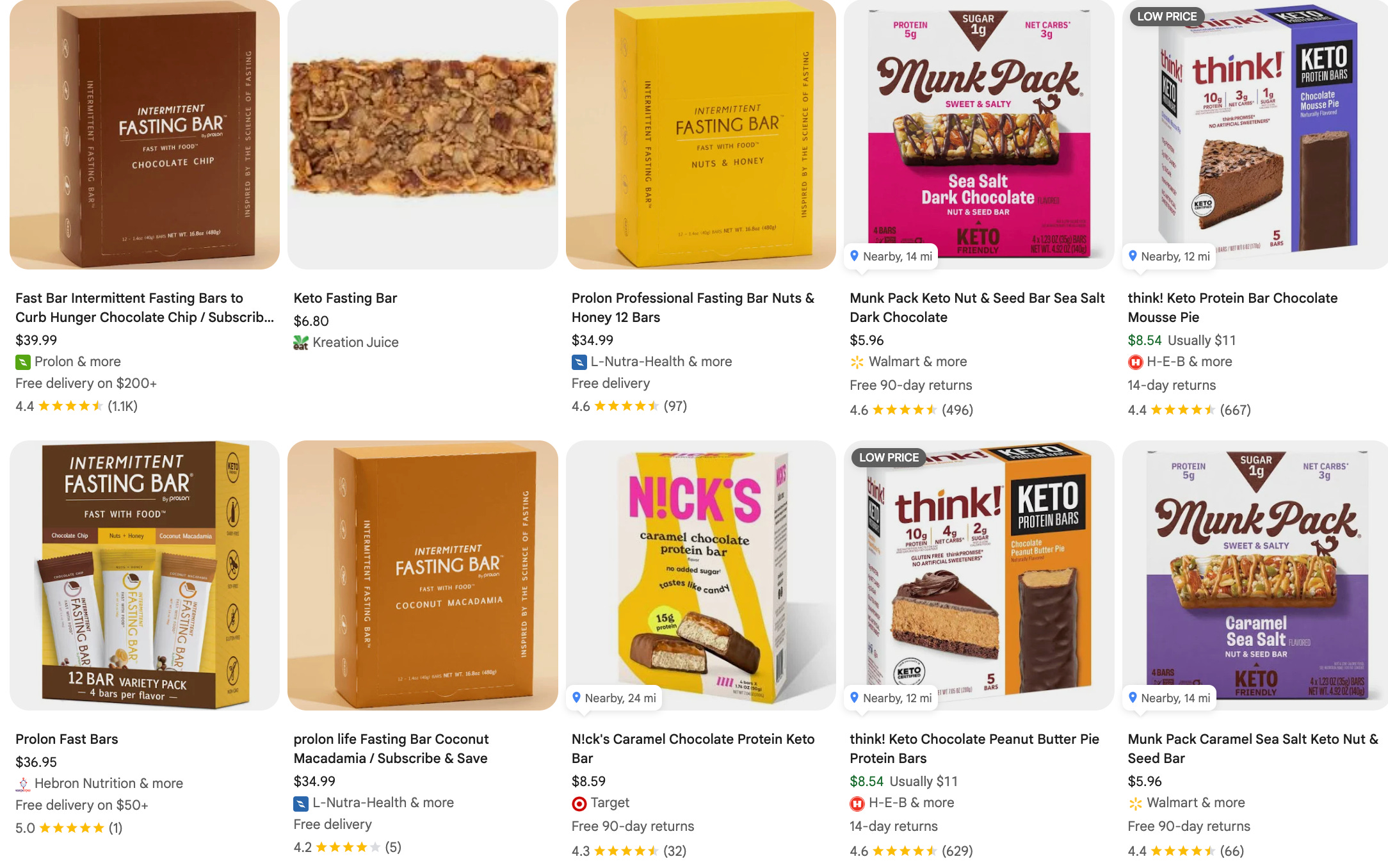
Once it mainstream and reached maturity in the market, there were larger trends to capitalize on it. The “fasting bars” being the best example of absurdity and removal from the actual truth of the subject.
At this point in 2026, I think its already passed its peak. Not to say IF is disappearing to obsolescence, but its at the stage of simply being absorbed into the greater fitness corpus of “things you here about and might try”.
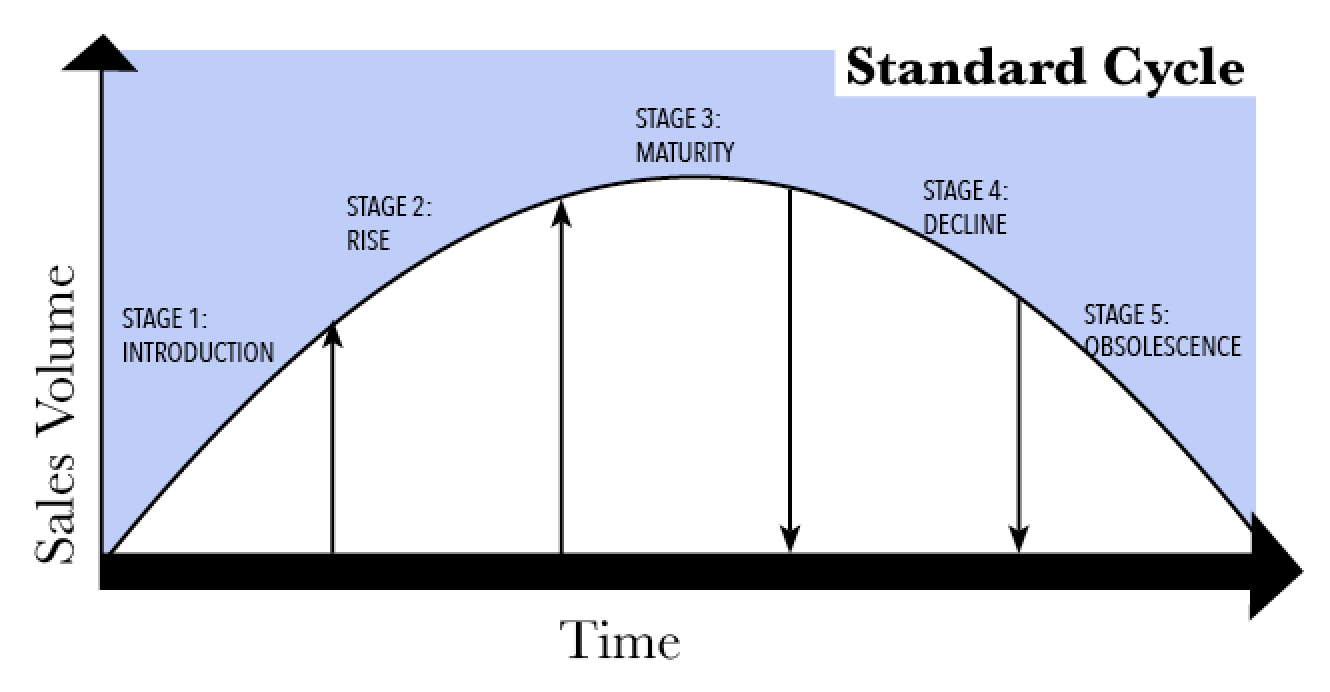
Regardless, its still a popular topic that goes viral from time to time, and continues to be talked about and discussed.
While I no longer use IF at all in my daily life, fasting is a powerful tool.
In a Hyper Consumer Culture, Fasting is resistance against Mental Obesity.
People desperately need structure. The modern food environment with unlimited calories, hyper-palatable snacks, and zero friction eating destroys people by default. Same for information and slop content consumption. Our bodies and minds need abstinence.
Fasting goes beyond food then, and is a gateway habit overcoming obesity mindset and cleaning up your physical body and information environment.
Used properly, it can be a simples ways to lose fat, regain appetite control, and improve metabolic health. Used improperly, it becomes a justification for disordered eating patterns, poor training recovery, binge cycles, or “health theater” that produces no results.
This article will explain:
what fasting is in plain English
what is and isn’t supported by evidence
where people exaggerate (especially around autophagy)
the common fasting schedules
how to train around fasting without losing muscle or performing like trash
how to determine if Fasting will work for you or is counterproductive
The terms fasting and intermittent fasting will be used interchangeably.
1) What Intermittent Fasting Actually Is
Intermittent fasting is time-restricted eating.
or as I call it, Chronological calorie control.
You designate:
a fasting window (no calories)
and an eating window (calories consumed)
And that’s it.
Everyone fasts every day while they sleep. The difference with intermittent fasting is you extend that fast long enough to meaningfully change your metabolic state. In practice, most people treat 16 hours as the entry point where fasting becomes more than “skipping a meal.”
During the fasting window you can consume:
water
black coffee
tea
zero-calorie drinks
electrolytes
The goal of fasting is to create a dynamic physiological state: lower insulin levels, increased fat oxidation, improved appetite signaling, and a smaller total daily eating opportunity.
When you finish the fast, you eat food. There is no such thing as “fasting foods”. You follow the same principles of a healthy diet regardless
-Whole foods
-Sufficient protein
-Carbohydrates
-Fats
-micronutrients
For fat loss, the deciding factor is whether you are creating a deficit, and whether your eating behavior is stable.
This is no different from normal dieting
Its entirely possible to fast daily, and not lose weight. This a common trap for people who engage in “diet theatre” and get stuck at a middling bodyfat percentage.
2) What Fasting Is Not
Intermittent fasting is not a “fat loss cheat code.” It does not override calories. It does not make junk food disappear. It does not allow you to eat like an animal during your eating window and still lose fat “because hormones.”
Let’s be blunt:
Fat loss still requires a calorie deficit.
Fasting helps create that deficit by reducing eating opportunities by chronological eating restriction. That’s the primary mechanism.
Everything else is secondary.
When total calories and protein are matched, many diet models produce similar fat loss. The advantage of intermittent fasting is not that it is magically superior, it is that it can be easier to adhere to for certain personalities.
If fasting makes it easier for you to eat less without feeling deprived, it works.
If fasting makes you binge, spiral, obsess, compensate, or get stuck on a plateau, it fails.
3) Why 16 Hours Became the Standard
You will not get perfect agreement on what constitutes a “real fast.” Different people argue different thresholds because physiology is not a single on/off switch.
But the reason 16 hours became the standard is practical:
it’s long enough to create a meaningful fasting state for most people
it’s short enough to be sustainable for normal life
it fits into typical schedules
Its easy to skip breakfast
The 16:8 model is well known because of Martin Berkhan (Leans Gains), and Greg O’Gallagher were both fit, muscular guys who were passionate advocates for it.
And its true that in most people, 16 hours without food:
insulin drops meaningfully
fat oxidation increases
catecholamines (adrenaline/norepinephrine) rise
hunger hormones begin adapting to the new schedule
This doesn’t mean “SUPER AUTOPHAGY” turns on at 16 hours and you become immortal and are in a special realm of longevity.
It simply means you’re now spending a significant portion of your day in a low-insulin, higher-fat-usage state.
From not eating.
This is beneficial for people who struggle with appetite control and glucose regulation. The physical and psychological benefits can be significant.
4) Fasting vs. Starvation
When fasting first popped up into mainstream discourse, it was often criqued as “starvation!” by normies.
Starvation is prolonged, uncontrolled nutrient deprivation leading to muscle wasting, organ dysfunction, and eventually death.
A 16-hour fast is not starvation. A 24-hour fast is not starvation. Even a 36-hour fast, in an otherwise healthy person with normal body fat, is still not starvation.
Your body stores energy for a reason. Stored body fat is stored fuel. The human organism is built to handle periods without food. In nature, constant eating was never guaranteed. That’s why we have metabolic flexibility.
If you live in a modern country and you have any meaningful fat stores, you are nowhere near starvation during intermittent fasting.
5) The Simple Math of Fasting (Why It Works, Until It Doesn’t)
Your body burns energy continuously.
Every hour of every day, calories are being expended to keep you alive: maintaining body temperature, circulating blood, fueling your brain, repairing tissue, and sustaining basic organ function. This energy expenditure exists whether you eat or not.
A useful rule of thumb for estimating baseline calorie burn (your basal metabolic rate) is:
~10 calories per pound of bodyweight per day
This is not exact, but it is directionally accurate and helpful for understanding the mechanics of fasting.
For example:
A 180-lb man burns roughly 1,800 calories per day at rest
A 220-lb man burns roughly 2,200 calories per day at rest
This does not include additional calories burned from:
walking
training
working
daily movement
Those activities increase total daily energy expenditure further.
What Happens When You Don’t Eat
When you do not consume food, your body still requires energy to function. Since energy cannot appear from nowhere, it must be supplied from stored fuel.
That fuel comes from three primary sources:
glycogen (stored carbohydrates)
fat tissue
a small amount of protein (lean tissue)
The body strongly prefers to preserve lean tissue, which is why:
resistance training is essential
adequate protein intake is essential
When fasting is paired with training and sufficient protein during the eating window, the majority of energy is pulled from fat, not muscle.
How a Fasting Window Creates a Deficit
Let’s take a practical example.
If a 180-lb man burns ~1,800 calories per day at baseline and adds:
300–500 calories from daily movement
300–600 calories from training
His total daily expenditure might easily land between 2,400–2,900 calories.
If he:
fasts for 16 hours
eats two meals totaling ~2,000 calories
He has created a caloric deficit, and fat loss occurs.
Fasting achieves this by
removing one meal
reducing grazing
lowers total calorie intake without deliberate tracking
That’s why fasting feels so effective at first.
Why Fasting Sometimes Stops Working
Here’s where many people go wrong, they assume:
“Because I’m fasting, fat loss should happen automatically.”
That assumption is false.
If you compress your eating window but still consume:
the same total calories
or more calories
Then no deficit exists, and fat loss stalls.
This commonly happens when:
people reward themselves for fasting
meals become very large and calorie dense
liquid calories sneak in
hunger rebounds lead to overeating
A smaller eating window does not guarantee a deficit.
It only makes a deficit easier for people.
Fasting is a structural tool, not a substitute for energy balance.
6) The Benefits of Fasting
The obvious benefits
reduced calorie intake
improved fat loss adherence
improved insulin sensitivity and glucose control (often)
improved appetite regulation over time
improved “food noise” control
Plausible but variable depending on the individual, and overlapping with typical fat loss benefits
improvements in inflammatory markers
improvements in lipid markers (sometimes)
improvements in GI comfort due to reduced constant digestion
improvements in energy/clarity due to catecholamine rise
7) The Autophagy Question: Real Biology, Overpromised Marketing
People are very defensive about fasting love to bring up autophagy.
And to their credit, autophagy is real. It is a fundamental cellular process where damaged proteins and dysfunctional components are broken down and recycled. It’s one of the cell’s core maintenance systems, like taking out the trash and recycling the useful parts.
But thats not where the debate and discussion is
The debate is:
How much does typical intermittent fasting increase autophagy in humans?
In which tissues?
At what duration?
And does that increase translate into meaningful clinical benefits?
Because here’s the problem:
Autophagy is hard to measure in living humans. It’s a dynamic flux process, not a simple blood marker you can check like cholesterol. A lot of people cite autophagy like it’s a light switch (“it turns on at 24 hours”) because it makes for authoritative claims.
Reality is messier.
The neutral scientific position
Autophagy is real, and fasting is a trigger in biology.
Fasting likely increases autophagy-related signaling in humans to some extent.
The magnitude, timing, and tissue-specific effects in humans are still uncertain.
Claims that daily 16:8 “deep cleans” organs or guarantees longevity are not proven.
Autophagy is a better thought of as a supportive benefit, not the primary reason intermittent fasting works for most people.
Most people get dramatic benefits from IF simply because they reduce calorie intake, improve insulin sensitivity, and regain appetite control.
You don’t need to overclaim autophagy to justify fasting.
But does autophagy only “start” after 24 hours?
No.
Autophagy is always happening in your body. Exercising increases it significantly.
It may increase with longer fasts, but there is no universally proven hour marker that applies to every person and every tissue.
What likely influences timing:
liver glycogen status
overall calorie restriction
training load
protein intake
body fat level
sleep/stress
All these things considered, autophagy falls into the “wow thats cool” category of effects that are neat to know about, but too imprecise to directly care about either.
8) Common Intermittent Fasting Protocols
There are many ways to structure fasting. Here are the ones that matter.
A) 16:8 Classic
Fast for 16 hours. Eat within an 8-hour window.
This is the most common approach for a reason: it’s sustainable. Most people can do it without thinking too hard. It naturally eliminates one meal (often breakfast), reducing daily calories without requiring constant tracking.
Who it’s best for:
beginners
busy professionals
anyone who wants structure without extreme restriction
fat loss and maintenance phases
B) 20:4 (Aggressive, Short-Term Tool)
Fast 20 hours. Eat within 4.
This can shred fat quickly because it’s hard to eat a huge amount in 4 hours without intentional effort. But it’s not great long term for most people. Protein becomes hard to distribute, training recovery gets trickier, and adherence can suffer.
Who it’s best for:
short-term fat loss sprints
experienced fasters
people who prefer one big meal pattern
C) One or Two 24-Hour Fasts Weekly (Minimal Daily Restriction)
Eat normally most days. Do a full 24-hour fast once or twice weekly.
This is a great model for people who already eat decently and want a simple weekly lever to pull.
The biggest risk: compensatory overeating when the fast ends.
Who it’s best for:
people who hate daily restriction
those with predictable schedules
moderate fat loss goals
D) Longer Fasts (36–48 Hours)
These should only be done once a month at most.
This is where you can see deeper effects (and yes, potentially more autophagy signaling), but the cost is higher:
training performance drops
recovery suffers
sleep can be disrupted
stress hormones rise in some people
For most people, longer fasts are not necessary. If you’re doing them, you should have a clear reason beyond “I heard it’s good.”
9) Training While Fasting: How Not to Screw Your Results
Here’s the rule:
Do not train hard and then begin a fast.
Training breaks muscle tissue down. Adaptation requires nutrients. If you lift hard and then go 16–24 hours without eating, you increase the likelihood of impaired recovery and muscle loss.
Better options:
train at the end of the fasting window, then eat
train inside the eating window, then eat
Fasted training adjustments
If you train fasted, you should:
reduce volume
keep sessions intense but brief
avoid marathon workouts
prioritize electrolyte intake
A lot of “fasting fatigue” is actually dehydration and electrolyte depletion. Salt and potassium go a long way.
Coffee can help. But don’t confuse stimulants with actual fuel.
10) Fasting and Muscle Growth: It sucks
Can you build muscle on intermittent fasting?
Hypothetically, Yes, especially if you’re a beginner, and especially if you hit protein targets.
Is it optimal?
HARD NO.
Muscle protein synthesis rises after protein intake and then fades. Most hypertrophy-oriented diets spread protein across multiple meals to stimulate MPS several times per day. Fasting compresses that.
Fasting also makes it harder to eat a true surplus consistently, which is usually required for maximal growth.
So the honest positioning is:
IF is excellent for fat loss
IF is fine for maintenance
IF is very suboptimal for maximal hypertrophy
If someone is trying to get huge and lean at the same time, they are being stupid.
11) A Real Life Example
Here’s a model that works for the average man with a normal job who lifts after work.
Assume:
male, 5’10–6’0, 175–200 lbs
lifting 4–5 days/week
goal: get leaner without losing muscle
works a typical day schedule
trains around 5–7 pm
Eating window: 12 pm – 8 pm (example)
12:00 pm — Meal 1 (Break fast)
40–60g protein
moderate carbs
moderate fats
This meal sets the tone. If your first meal is junk, your day gets sloppy.
3:30–4:30 pm — Meal 2 (Pre-training)
30–50g protein
carbs emphasized
fats lower (for digestion)
You want fuel without gut heaviness.
Training (5–7 pm)
Hydration matters. Electrolytes matter. Keep training tight.
7:30–8:00 pm — Meal 3 (Post-training)
40–70g protein
carbs based on goal (more if performance matters, less if aggressive cut)
fats based on preference
This structure supports performance and recovery while still controlling total intake.
You can do this at:
2,200 calories (cut)
2,700 calories (maintenance for many)
3,000 calories (maintenance for larger men)
12) Who IF Is For (And Who It Isn’t)
Intermittent fasting works best for people who:
prefer fewer meals
struggle with appetite control
have “food noise” problems
want fat loss without constant tracking
thrive on simple rules
It’s less ideal for people who:
are in an aggressive muscle gain phase
have A LOT of weight to lose
Want to get very lean and require a detailed process
have high training volumes
have poor stress tolerance or sleep issues worsened by fasting
have a history of disordered eating patterns
are women
14) Summary
Intermittent fasting is not inherently superior to other diet models, but it can be highly useful when applied appropriately. It does not override the laws of energy balance, it simply organizes calorie intake in a way that many people find easier to maintain.
It does not guarantee fat loss, but it often improves adherence by reducing eating chaos and making deficits easier to sustain. Nor does it automatically confer longevity benefits; while fasting may support healthy aging through plausible biological mechanisms, those mechanisms, particularly autophagy, are frequently overstated. Autophagy is real biology, and fasting likely influences it, with strong support from animal data, but measuring its magnitude and relevance in humans is far more complex, especially for common 16:8 routines.
For most people, its value lies in improved appetite control, better insulin sensitivity, reduced mental friction around food, and a restored sense of agency over eating. If fasting simplifies your life and improves your results, it’s a tool worth keeping.
If it leads to plateaus, disordered eating, stress, or binge cycles, it’s the wrong tool for the job. The goal is not to fast, it’s to be lean, healthy, capable, and consistent. Fasting is simply one tool to use in achieving that outcome.
Download the A-Z BroScience Guide to peptides
Order your Fitness Genes test
Great review and timely as one of my 2026 goals is to reintroduce 16:8 IM. Thanks.